


In the Name of Allāh, all praise is due to Allāh, may praise and protection be upon the Messenger of Allāh.
This, by the mercy of Allāh, is my third translation of a creedal study-text composed by Imām Muḥammad b. ʿAbd al-Wahhāb b. Sulaymān al-Tamīmī, may Allāh have mercy upon him. I previously translated and published the Imām’s Thalāthat-ul-Uṣūl (The Three Fundamental Principles) and Nawāqiḍ-ul-Islām (The Nullifiers of Islām). The title of this present creedal text is al-Qawāʿid al-Arbaʿ (The Four Principles).
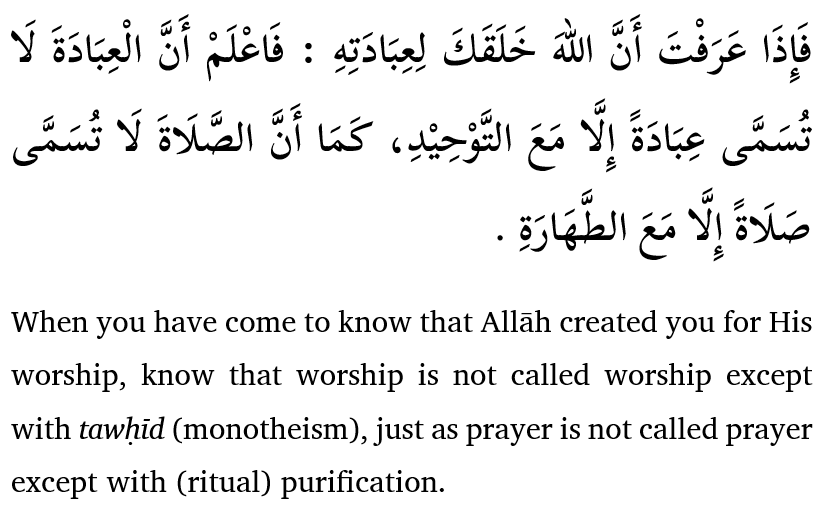
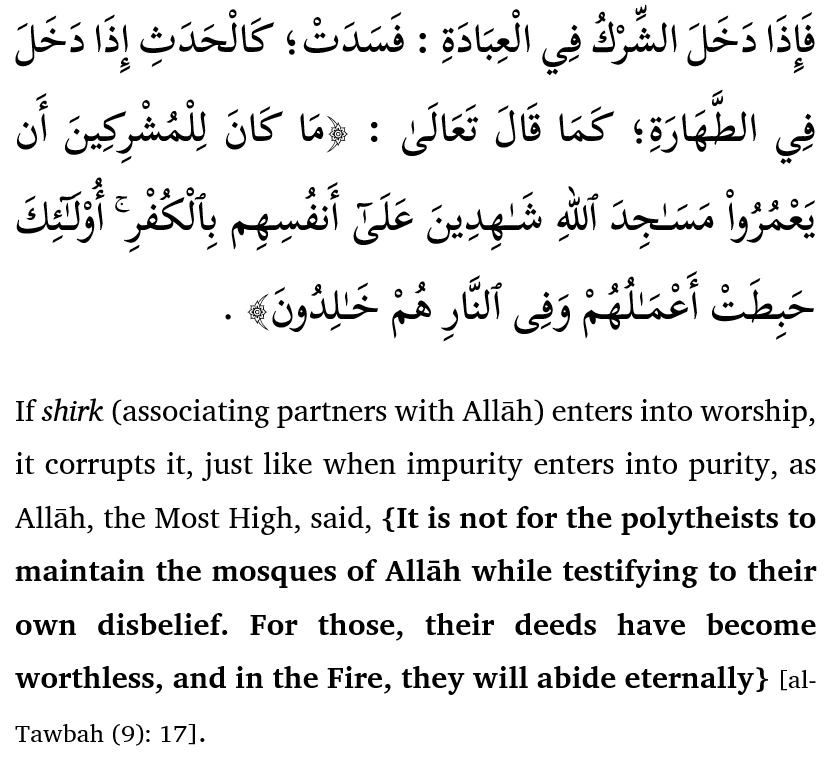
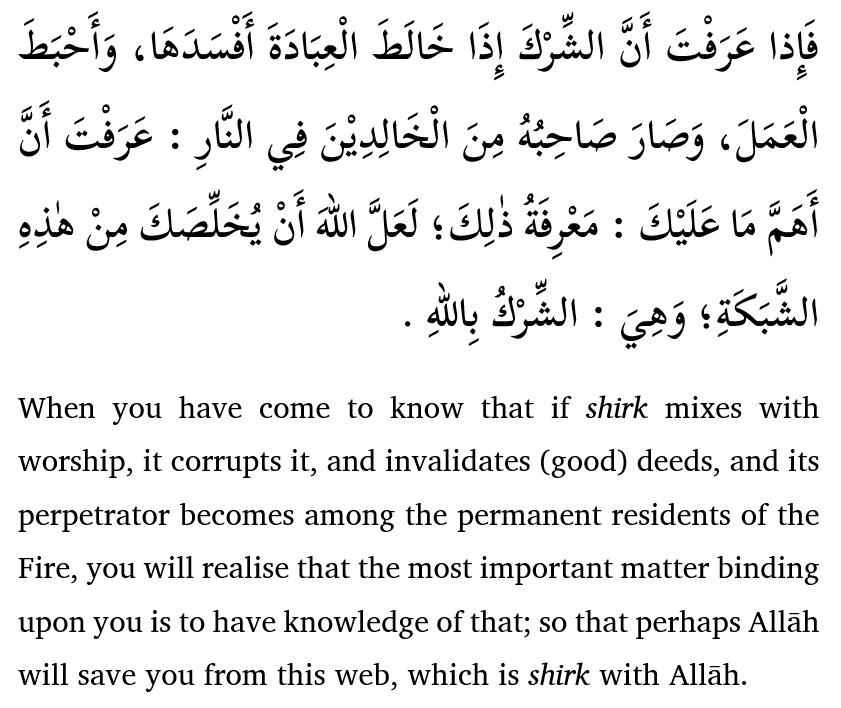
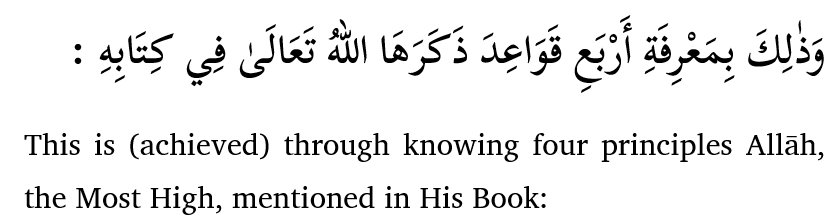
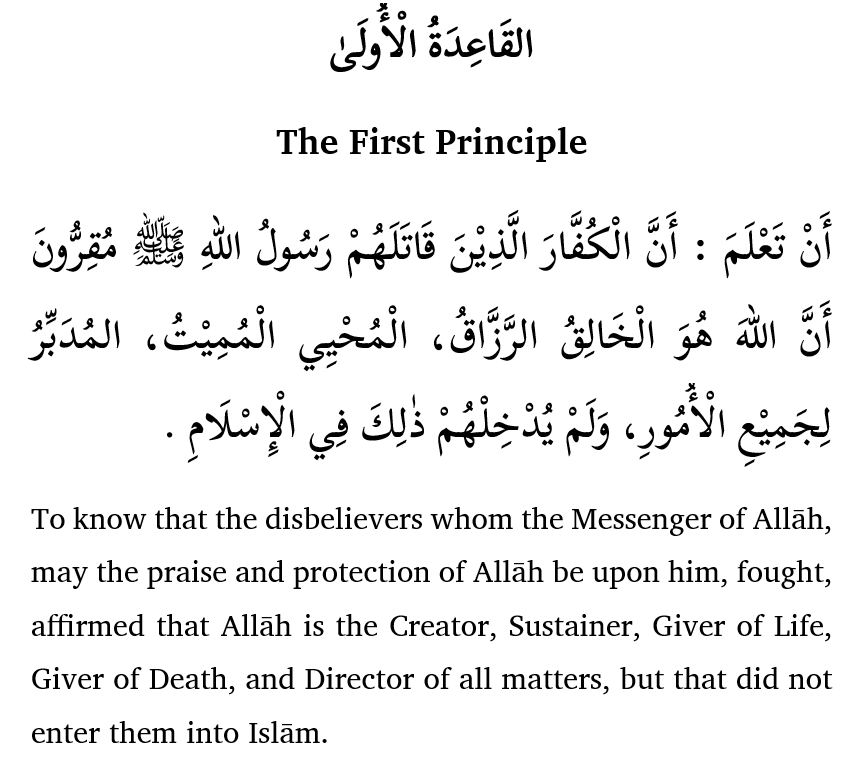
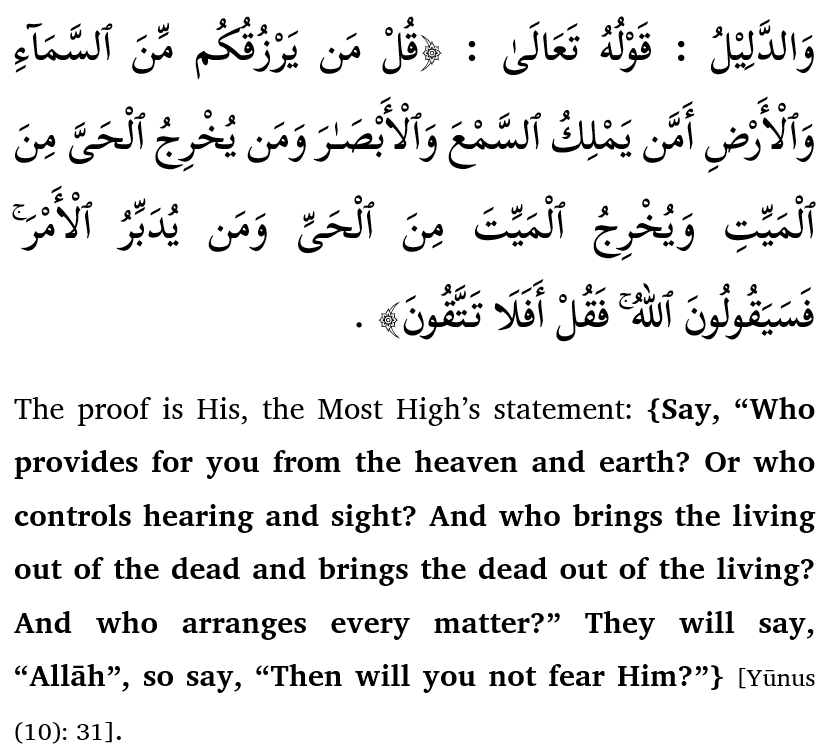
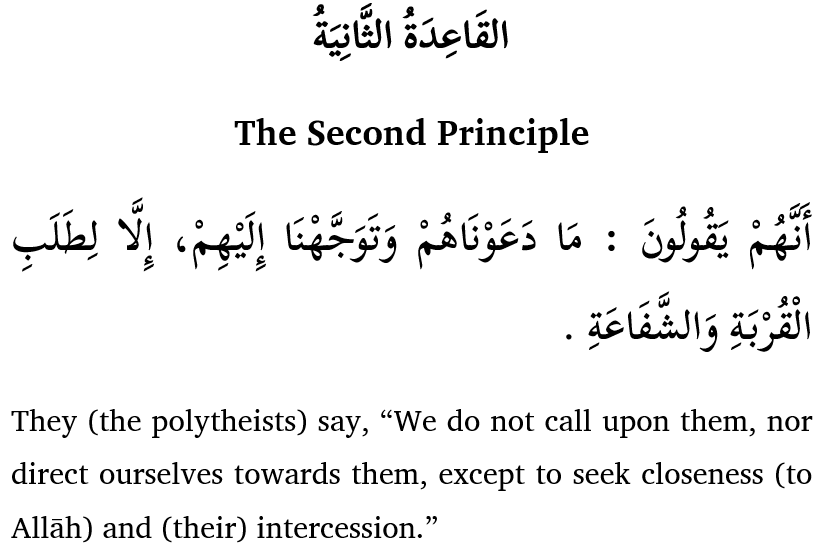
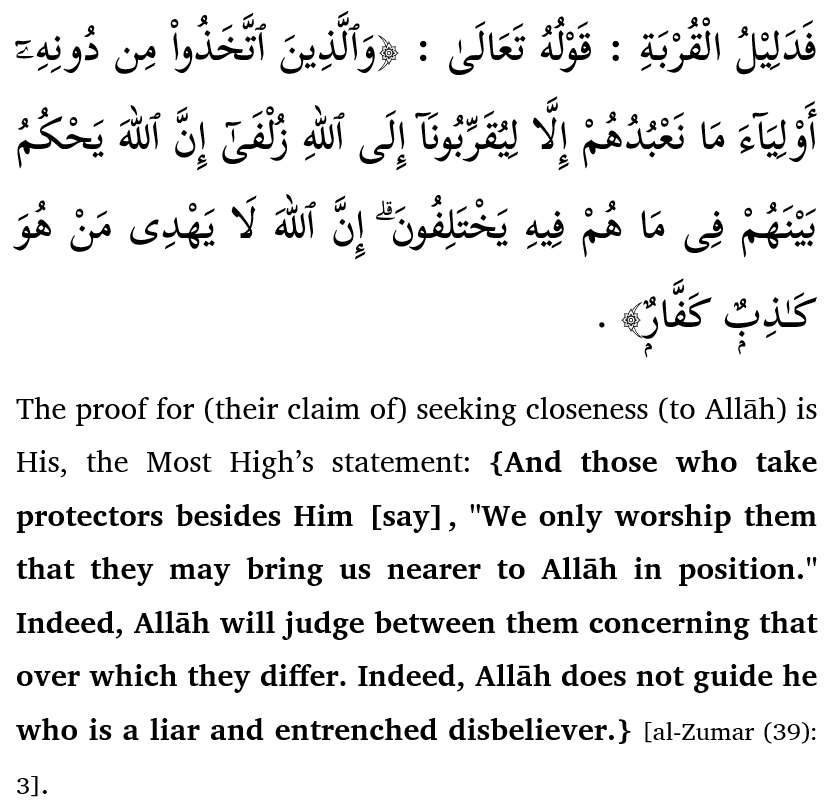
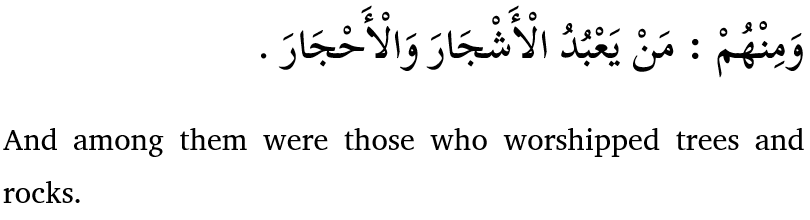
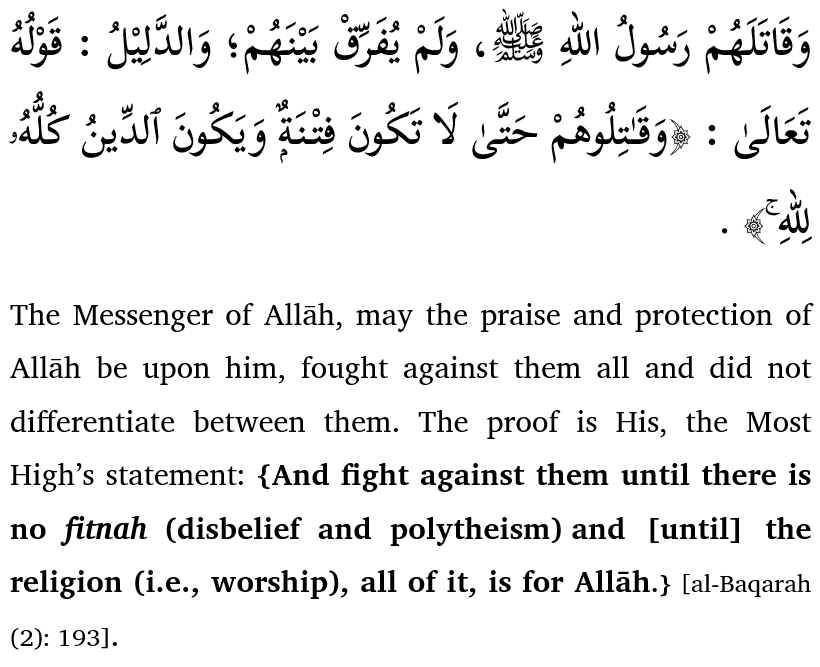
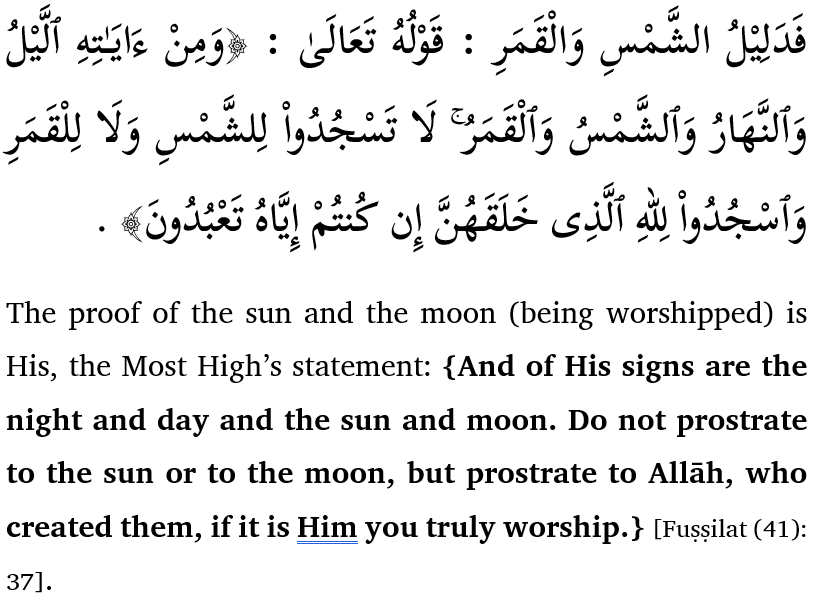
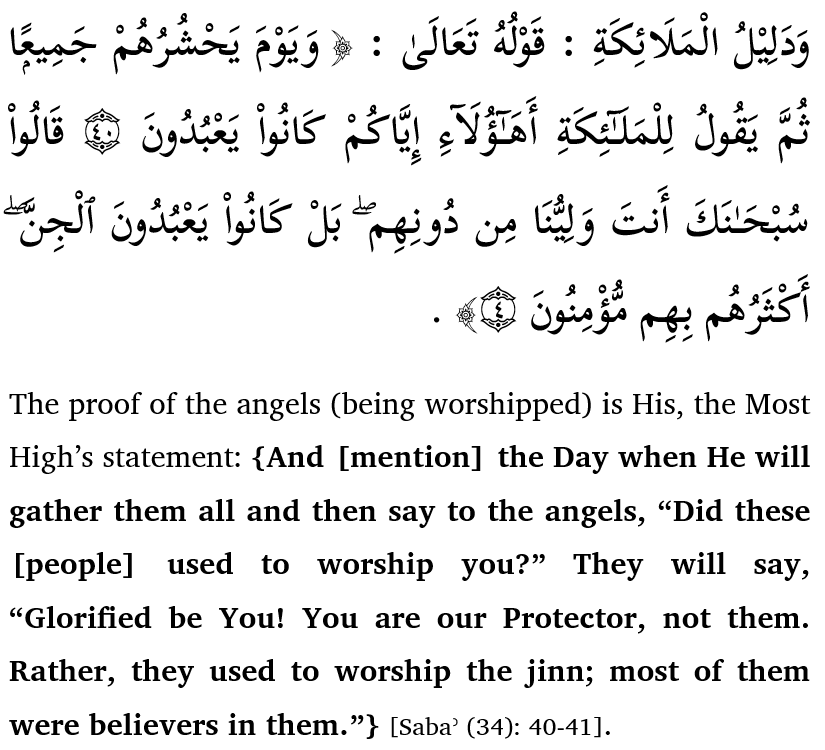
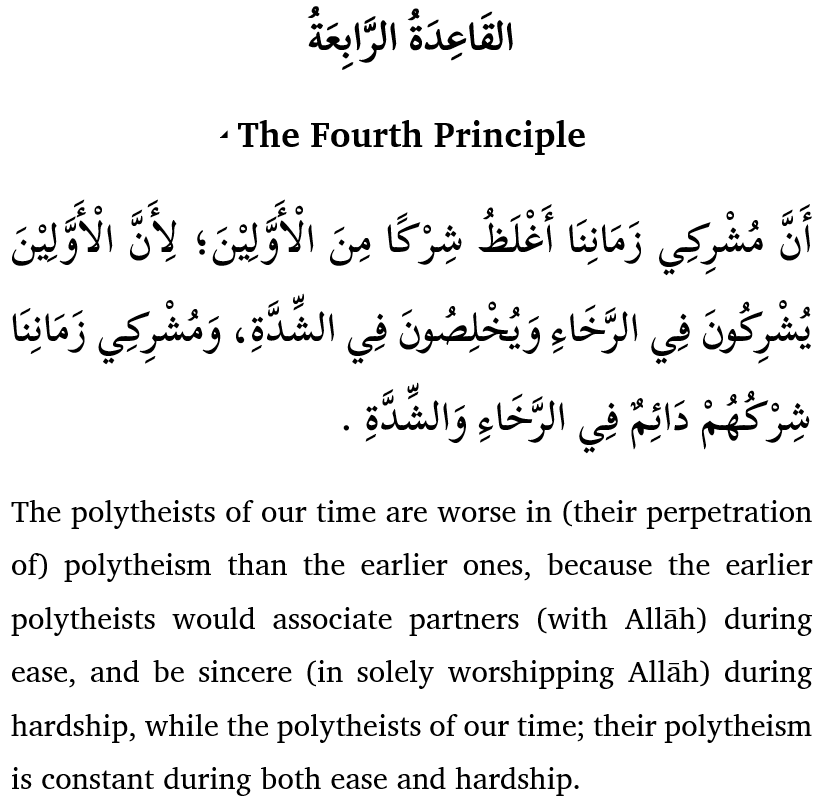
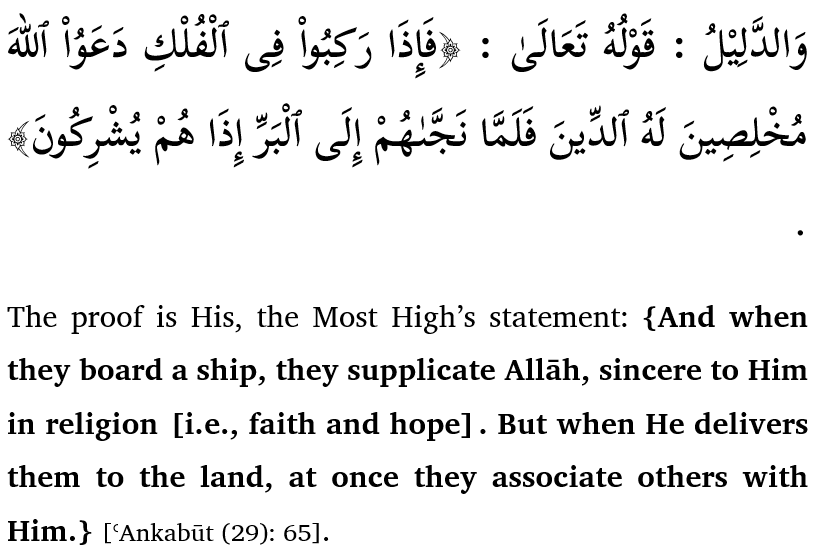
Continuing the theme on tawḥīd (Islamic monotheism), in this work, the author presents four principles relating to shirk (associating partners with Allāh). To substantiate them, he cites proof-texts from the foundational sources of our Dīn: the Book of Allāh, the Almighty and Majestic, and the authentic Sunnah of His Messenger, may the praise and protection of Allāh be upon him.
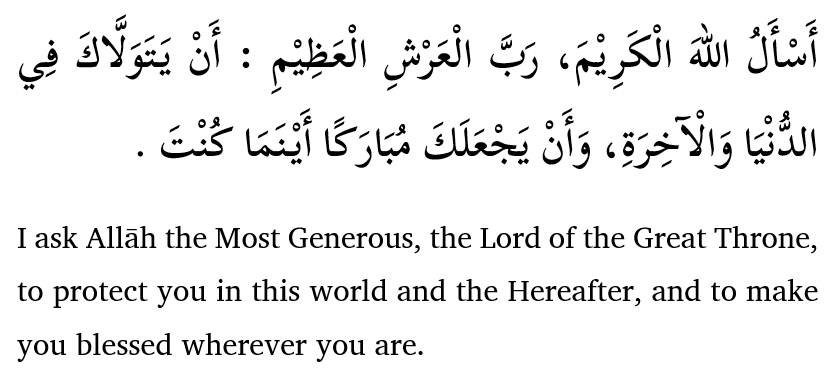
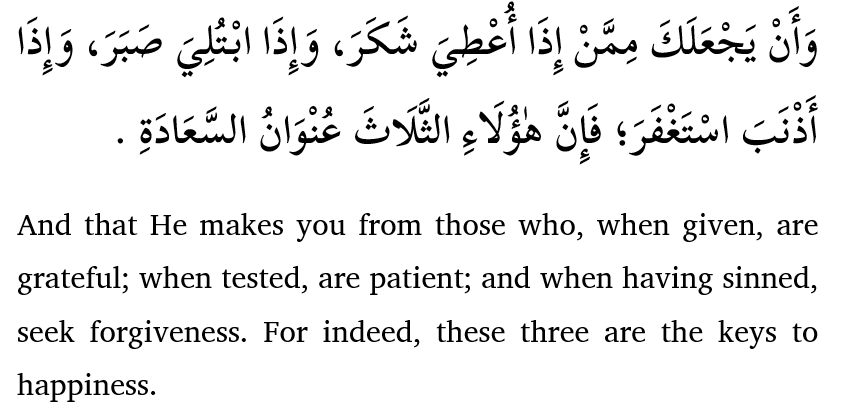
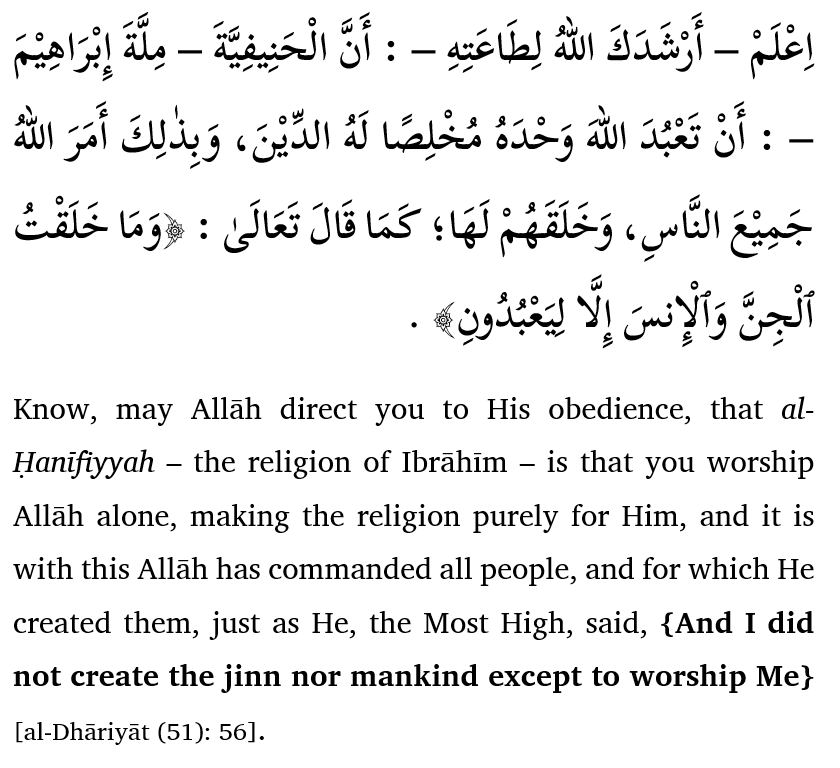
Prior to presenting the four principles, the author includes an introduction supplicating for the reader to be blessed with the three keys to happiness. He then highlights the following points:
The four principles which follow his short introduction can be summarised as follows:
Learning these principles will help one refute the doubts brought by deviants surrounding the issue of invocation, intercession, the scope and nature of shirk, and the correct understanding of tawḥīd.
I advise the reader to study the explanations of scholars such as Sh. ʿAbd al-ʿAzīz b. ʿAbd Allāh b. Bāz, Sh. Ṣāliḥ al-Fawzān, Sh. ʿAbd al-ʿAzīz al-Rājiḥī, Sh. Muḥammad Amān al-Jāmī, Sh. Rabīʿ b. Hādī al-Madkhalī, Sh. ʿUbayd al-Jābirī, Sh. Ṣāliḥ b. ʿAbd al-ʿAzīz Āl al-Shaykh, and Sh. ʿAbd al-Razzāq al-Badr – may Allāh reward them heavily for their efforts. Some of these are available in the English language – and all praise is due to Allāh.
This Translation
This particular translation of al-Qawāʿid al-Arbaʿ is based on Sh. ʿAbd al-Muḥsin b. Muḥammad b. al-Qāsim’s edition from his Mutūn Ṭālib al-ʿIlm: al-Mustawá al-Thānī (1446/2025), pp. 59-69.
The main part of this book is the point-by-point Arabic-English translation with notetaking space. For those who wish to memorise the Arabic text, I have included it in whole after this introduction. I also did the same for the English text for those who want to peruse the treatise uninterrupted. In both cases, I retained the Shaykh’s paragraphing of the text.
I ask Allāh, the Almighty and Majestic, to make this work a means for us to gain closeness to Him, and that it helps us to actualise tawḥīd with our every breath until our inevitable death.
Salal Ahmed Haque (Abū Ḥayyān al-Atharī).
Yawm al-Aḥad, 26th Ṣafar 1448 or Sunday, 9th August 2026.
Sh. Muḥammad b. Ṣāliḥ al-ʿUthaymīn, may Allāh have mercy upon him, said:
“al-Tiwalah is something [people] do claiming that it causes a woman to be loved by her husband and vice versa. The closest [term] to that is what is referred amongst us as al-diblah (ring). It is said that the husband inscribes his wife’s name in his ring, and the wife inscribes her husband’s name in her ring, and they claim that they – the couple – attain love and affection through this action of theirs, and that if he removes the ring, or she removes it, it means [their] separation.
So, if one asks: what is the means for a man to love his wife and his wife to love her husband? We say: the means to that has been explained by Allāh in His statement: {And live with them in a good manner} [al-Nisāʾ (4): 19]. So, if a person lives in a good manner with his wife, and she does likewise; love, closeness and blissful married life occurs.”
Source: Fatāwá Nūr ʿalá al-Darb (1: 107-8, no. 77).
Note:
One of the many notable and beneficial features of Sh. al-ʿUthaymīn’s works, is that he always tries to provide a divinely legislated solution, and alternative, to something which is prohibited in the Dīn. May Allāh bless him with all goodness.
The Last Three Verses of Sūrah al-Baqarah
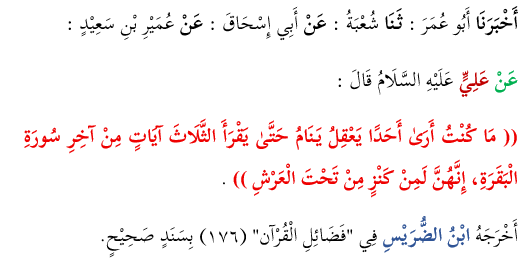
ʿAlī, peace be upon him, said,
“I cannot imagine anyone of sound mind going to sleep before reciting the last three verses of Sūrah al-Baqarah; they are truly a treasure from beneath the Throne.”
Reported by Ibn al-Ḍurays in Faḍāʾil al-Qurʾān (176) with a sound chain.
For the takhrīj of this report, click on this post: Reciting the Last Three Verses of Sūrah al-Baqarah at Bedtime
Sūrah al-Kāfirūn
It is recommended for one to recite Sūrah al-Kāfirūn before going to sleep. The proof is:
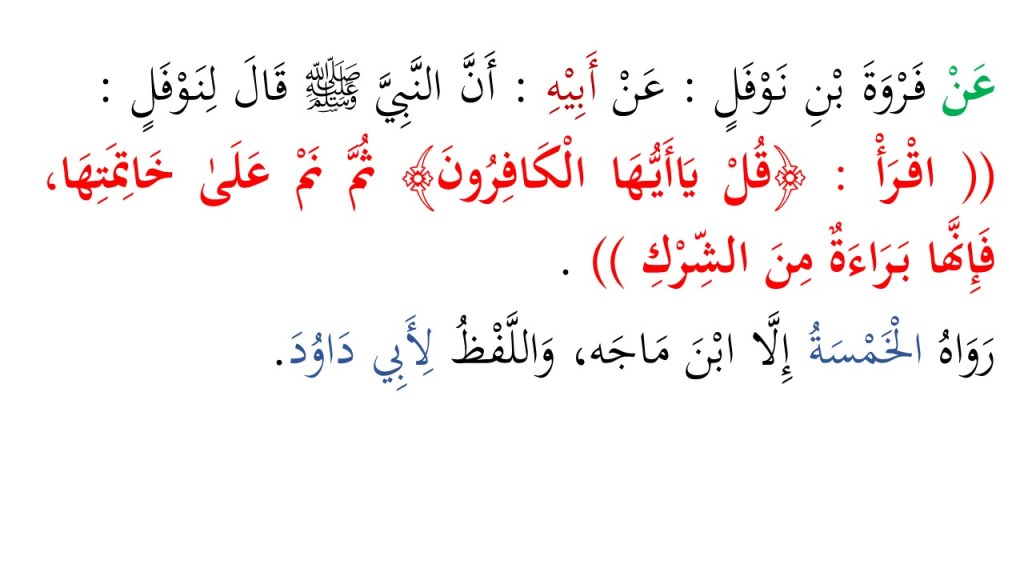
On the authority of Farwah b. Nawfal, [who narrated] from his father: that the Prophet, may the praise and protection of Allāh be upon him, said to Nawfal:
“Read {Say: O you disbelievers!}, then go to sleep at the end of it, for indeed it is a complete disavowal of polytheism.”
Reported by the Five except for Ibn Mājah, and the wording is that of Abū Dāwūd.
Source: Abū Dāwūd (5055), al-Tirmidhī (3403), al-Nasāʾī in al-Kubrá (10569) and (11645), Aḥmad (23807) and Ṣaḥīḥ al-Targhīb (605) by al-Albānī.