


In the Name of Allāh, all praise is due to Allāh, may praise and protection be upon the Messenger of Allāh.
This, by the mercy of Allāh, is my third translation of a creedal study-text composed by Imām Muḥammad b. ʿAbd al-Wahhāb b. Sulaymān al-Tamīmī, may Allāh have mercy upon him. I previously translated and published the Imām’s Thalāthat-ul-Uṣūl (The Three Fundamental Principles) and Nawāqiḍ-ul-Islām (The Nullifiers of Islām). The title of this present creedal text is al-Qawāʿid al-Arbaʿ (The Four Principles).
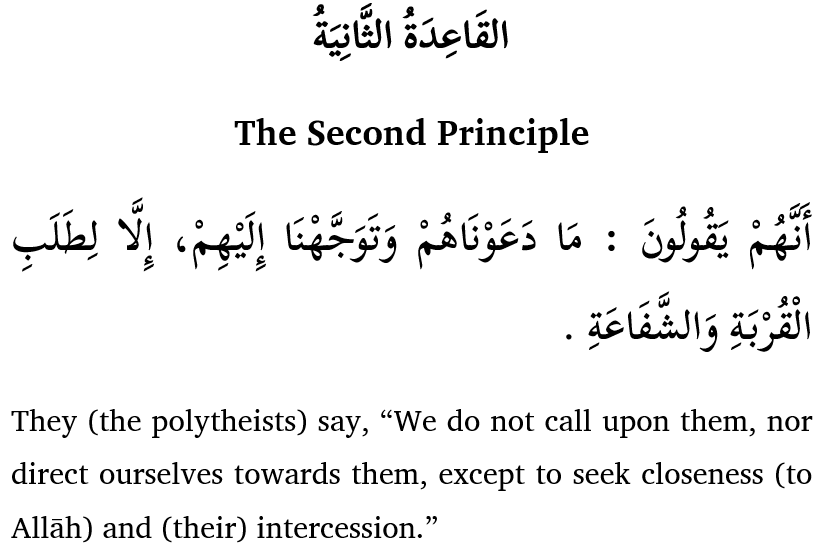
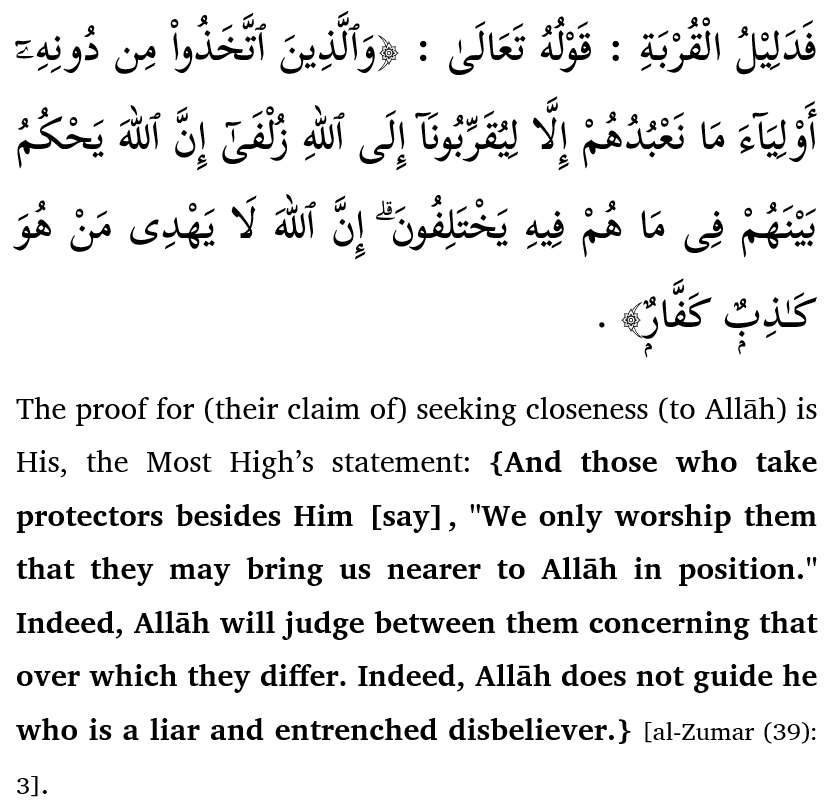
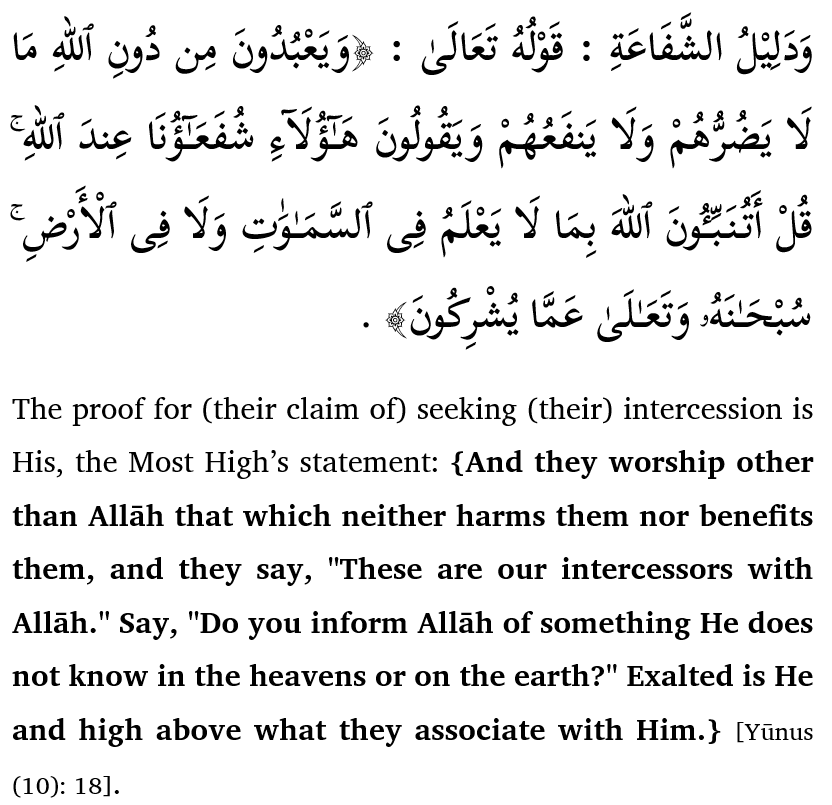
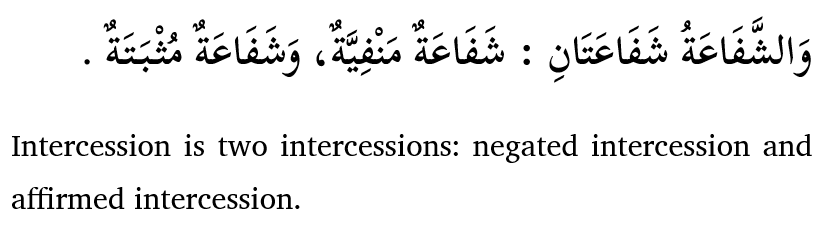
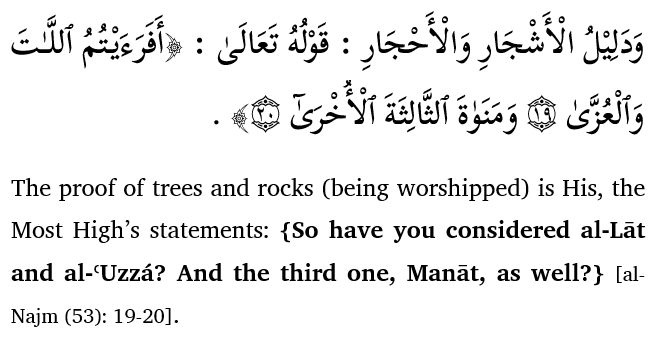
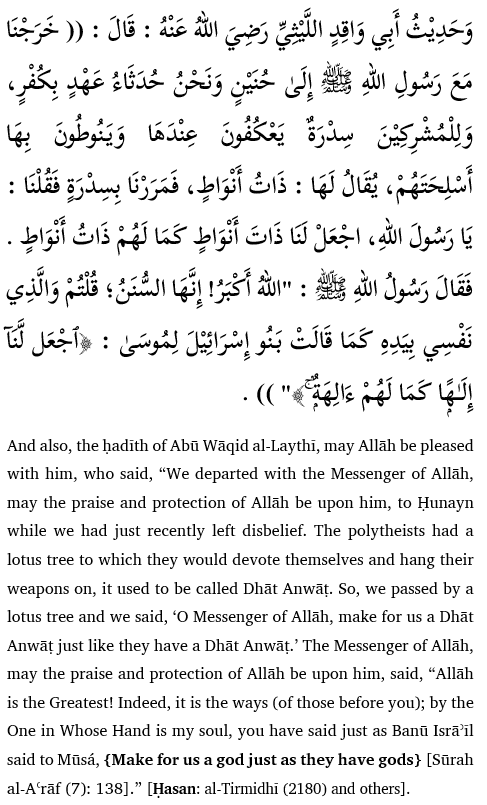
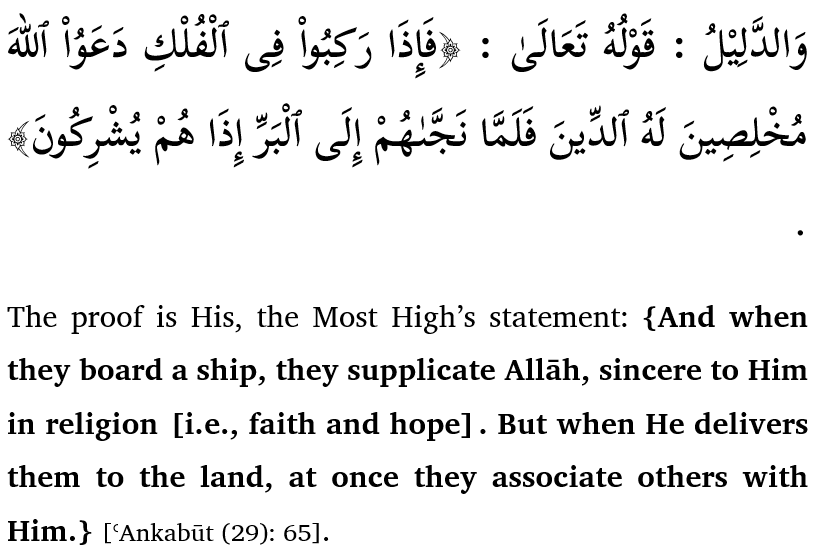
Continuing the theme on tawḥīd (Islamic monotheism), in this work, the author presents four principles relating to shirk (associating partners with Allāh). To substantiate them, he cites proof-texts from the foundational sources of our Dīn: the Book of Allāh, the Almighty and Majestic, and the authentic Sunnah of His Messenger, may the praise and protection of Allāh be upon him.
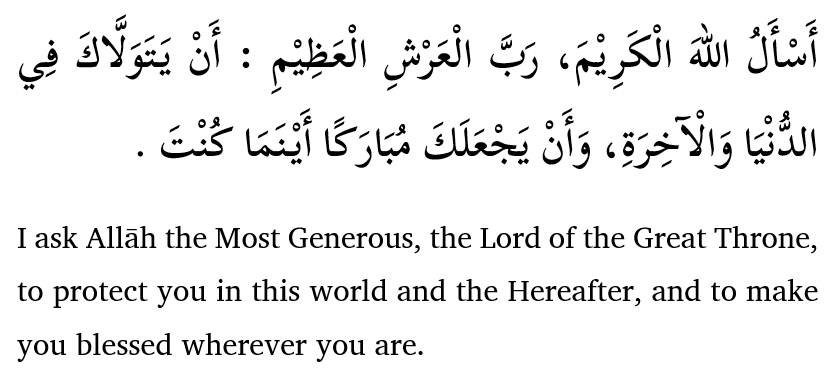
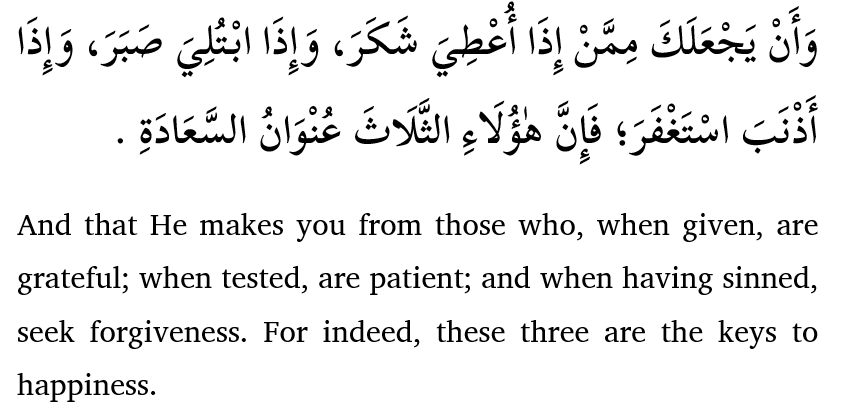
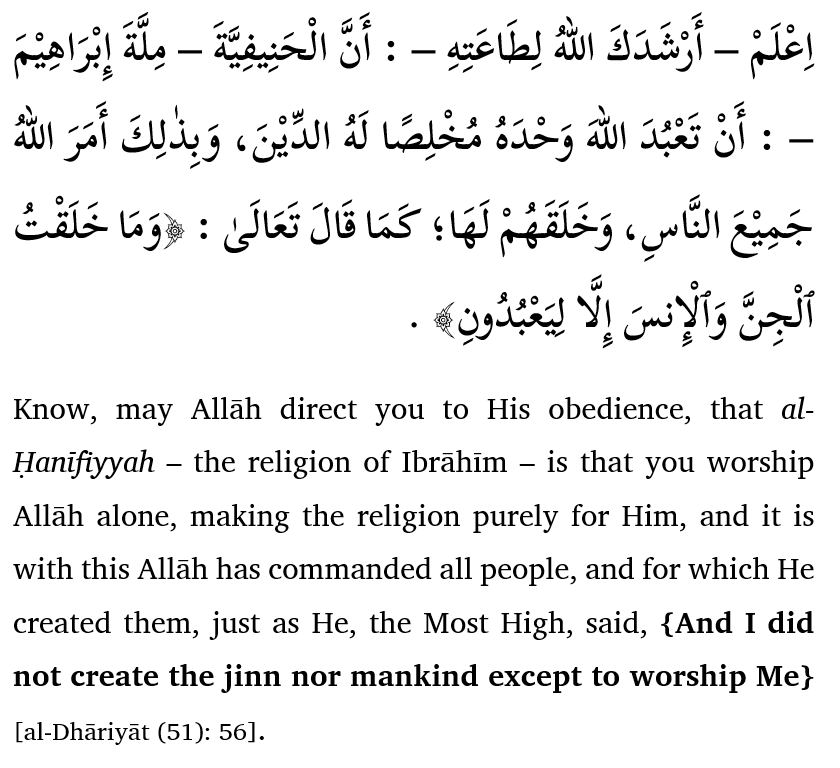
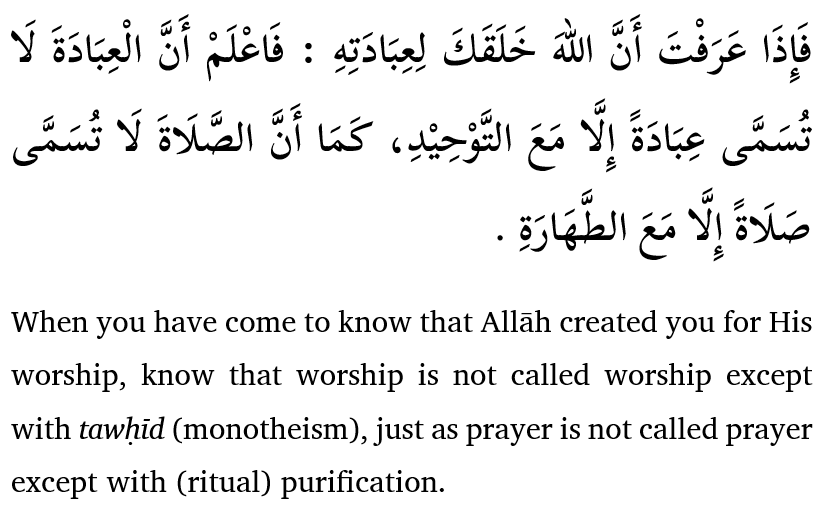
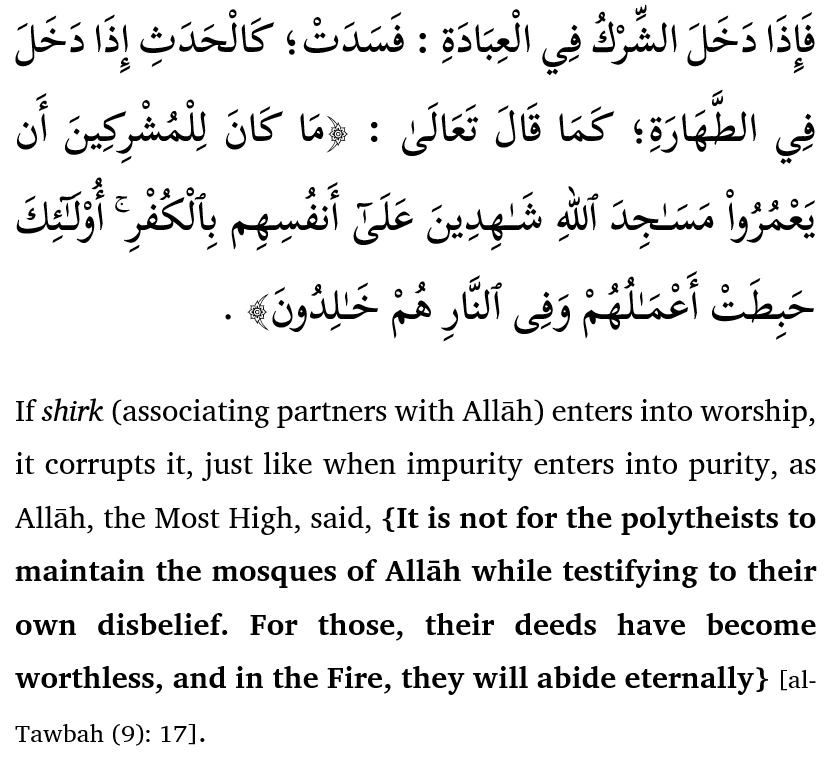
Prior to presenting the four principles, the author includes an introduction supplicating for the reader to be blessed with the three keys to happiness. He then highlights the following points:
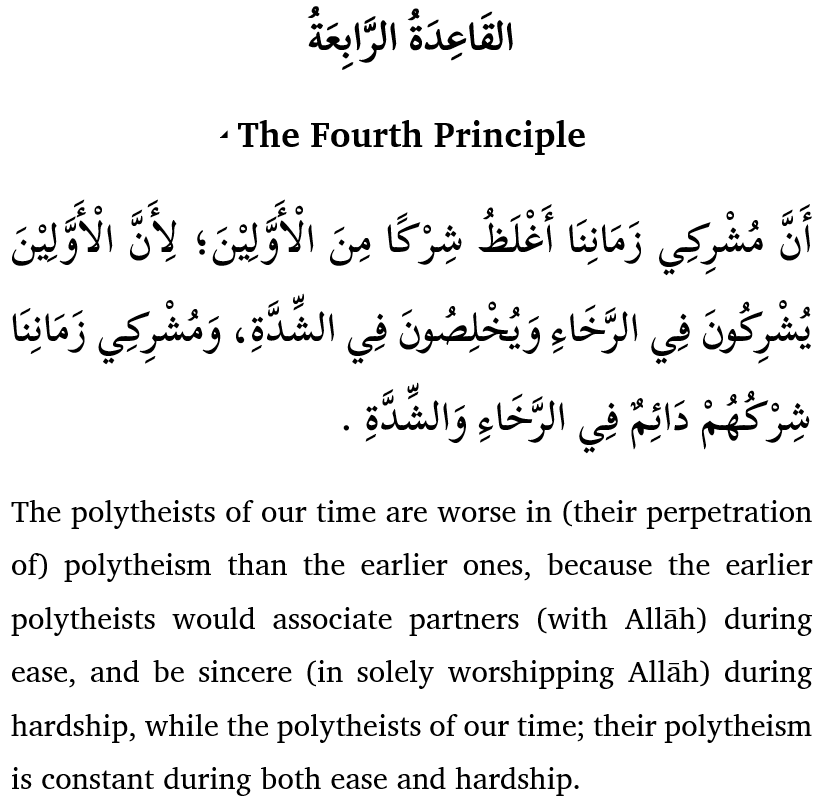
The four principles which follow his short introduction can be summarised as follows:
Learning these principles will help one refute the doubts brought by deviants surrounding the issue of invocation, intercession, the scope and nature of shirk, and the correct understanding of tawḥīd.
I advise the reader to study the explanations of scholars such as Sh. ʿAbd al-ʿAzīz b. ʿAbd Allāh b. Bāz, Sh. Ṣāliḥ al-Fawzān, Sh. ʿAbd al-ʿAzīz al-Rājiḥī, Sh. Muḥammad Amān al-Jāmī, Sh. Rabīʿ b. Hādī al-Madkhalī, Sh. ʿUbayd al-Jābirī, Sh. Ṣāliḥ b. ʿAbd al-ʿAzīz Āl al-Shaykh, and Sh. ʿAbd al-Razzāq al-Badr – may Allāh reward them heavily for their efforts. Some of these are available in the English language – and all praise is due to Allāh.
This Translation
This particular translation of al-Qawāʿid al-Arbaʿ is based on Sh. ʿAbd al-Muḥsin b. Muḥammad b. al-Qāsim’s edition from his Mutūn Ṭālib al-ʿIlm: al-Mustawá al-Thānī (1446/2025), pp. 59-69.
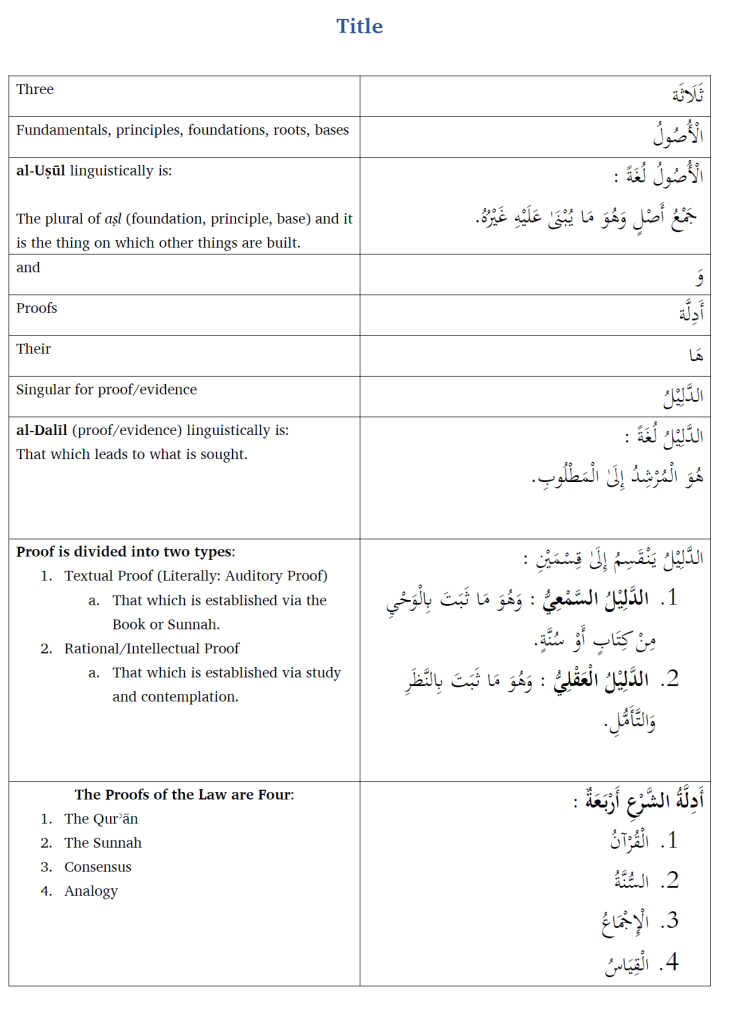
The main part of this book is the point-by-point Arabic-English translation with notetaking space. For those who wish to memorise the Arabic text, I have included it in whole after this introduction. I also did the same for the English text for those who want to peruse the treatise uninterrupted. In both cases, I retained the Shaykh’s paragraphing of the text.
I ask Allāh, the Almighty and Majestic, to make this work a means for us to gain closeness to Him, and that it helps us to actualise tawḥīd with our every breath until our inevitable death.
Salal Ahmed Haque (Abū Ḥayyān al-Atharī).
Yawm al-Aḥad, 26th Ṣafar 1448 or Sunday, 9th August 2026.
Grandson of Imām Muḥammad b. ʿAbd al-Wahhāb (d. 1206), born in the year 1196 in the city of al-Dirʿiyyah which was the centre of the Salafī Daʿwah and its scholars. His father was killed in battle and so his grandfather, Imām Muḥammad b. ʿAbd al-Wahhāb took care of him until he also passed away when ʿAbd al-Raḥmān was around 13 years old. He attended his grandfather’s lessons, memorised the Qurʾān, and then studied further under the senior students of his grandfather. He authored a commentary on his grandfather’s Kitāb al-Tawḥīd (The Book of Islamic Monotheism) entitled Fatḥ al-Majīd. He lived for almost 90 years. May Allāh have mercy upon him.
Advice
When purchasing a copy of Fatḥ al-Majīd, ensure you obtain the edition which contains Imām ʿAbd al-ʿAzīz b. Bāz’s (d. 1420) remarks in the footnotes. The Salafī scholar, editor and annotator, Sh. Muḥammad Ḥāmid al-Faqī (d. 1378) annotated an edition of Fatḥ al-Majīd, however Imām Ibn Bāz noticed some mistakes therein and so he reviewed the work and corrected those mistakes. May Allāh reward them both for their efforts.
Bibliography
See: Sh. Ibrāhīm b. Muḥammad b. Ibrāhīm Āl al-Shaykh’s biography of him in Fatḥ al-Majīd edited by Ashraf b. ʿAbd al-Maqṣūd and published by Muʾassasat Qurṭubah in Cairo (no date). The biography was taken from Rawḍat al-Afkār of the historian, and student of Imām Muḥammad b. ʿAbd al-Wahhāb, Ibn Ghannām (d. 1225).