Prohibition of Innovations

In the Name of Allāh, all praise is due to Allāh, may praise and protection be upon the Messenger of Allāh.

To proceed:

In this article I present some proofs indicating the prohibition of innovations in the Dīn of Islām. I also added some statements of the Salaf highlighting the pernicious effects of such innovations.

This article will be useful for refuting innovations: please feel free to use in your khuṭbahs, lectures, social media platforms etc.

Islām is Perfect and Complete

الْيَوْمَ أَكْمَلْتُ لَكُمْ دِيْنَكُمْ وَأَتْمَمْتُ عَلَيْكُمْ نِعْمَتِي وَرَضِيْتُ لَكُمُ الْإِسْلَامَ دِيْنًا [المائدة (٥) : ٣].

{This day I have perfected for you your religion, and completed My favour upon you, and have chosen Islām as your religion} [al-Māʾidah (5): 3].

عَنْ عَبْدِ اللهِ مَسْعُودٍ قَالَ : قَالَ رَسُولُ اللهِ ﷺ : إِنَّهُ لَيْسَ شَيْءٌ يُقَرِّبُكُمْ إِلَىٰ الْجَنَّةِ إِلَّا قَدْ أَمَرْتُكُمْ بِهِ، وَلَيْسَ شَيْءٌ يُقَرِّبُكُمْ إِلَىٰ النَّارِ إِلَّا قَدْ نَهَيْتُكُمْ عَنْهُ

ʿAbd Allāh b. Masʿūd (d. 32) reported that the Messenger of Allāh ﷺ said, “Indeed there is nothing which will bring you closer to Paradise except that I have command you with it, and there is nothing which will bring you closer to the Fire except that I have prohibited you from it.” reported by al-Ḥākim and others.

Ḥasan: Ibn Abī Shaybah (35473), al-Ḥākim in al-Mustadrak (2168) ed. Dār al-Taʾṣīl, al-Baghawī in Sharḥ al-Sunnah (4110) and (4111), al-Bayhaqī in Shuʿab al-Īmān (10376) and Abū Bakr al-Ḥaddād in al-Muntakhab min Fawāʾid Ibn ʿAlawayh al-Qaṭṭān. See: al-Ṣaḥīḥah (2866) of al-Albānī.

Additions to Islām Are Completely Rejected

عَنْ عَائِشَةَ قَالَتْ : قَالَ رَسُولُ اللهِ ﷺ : (( مَنْ أَحْدَثَ فِي أَمْرِنَا هٰذَا مَا لَيْسَ مِنْهُ فَهُوَ رَدٌّ )) . مُتَّفَقٌ عَلَيْهِ، وَاللَّفْظُ لِمُسْلِمٍ

ʿĀʾishah, may Allāh pleased with her, reported that the Messenger of Allāh ﷺ said, “Whoever innovates into this matter of ours that which is not from it, it is rejected.” Agreed upon, and the wording is that of Muslim.

al-Bukhārī (2697) and Muslim (1718 (17)).

عَنْ عَائِشَةَ : أَنَّ رَسُولَ اللهِ ﷺ قَالَ : (( مَنْ عَمِلَ عَمَلًا لَيْسَ عَلَيْهِ أَمْرُنَا فَهُوَ رَدٌّ )) . رَوَاهُ مُسْلِمٌ

She also reported that the Messenger of Allāh ﷺ said, “Whoever does a deed which is not in conformity with our affair, it is rejected.” Reported by Muslim.

Muslim (1718 (18)).

Innovations Imply the Prophet ﷺ Failed to Fulfil the Message

قَالَ ابْنُ مَاجِشُونَ : سَمِعْتُ مَالِكًا يَقُولُ : (( مَنِ ابْتَدَعَ فِي الْإِسْلَامِ بِدْعَةً يَرَاهَا حَسَنَةً؛ فَقَدْ زَعَمَ أَنَّ مُحَمَّدا ﷺ خَانَ الرِّسَالَةَ؛ لِأَنَّ اللهَ يَقُولُ : ﴿الْيَوْمَ أَكْمَلْتُ لَكُمْ دِيْنَكُمْ﴾، فَمَا لَمْ يَكُنْ يَوْمَئِذٍ دِيْنًا؛ فَلَا يَكُونُ الْيَوْمَ دِيْنًا ))

al-Shāṭibī (d. 790) mentions in al-Iʿtiṣām (1: 62, ed. Mashhūr Ḥasan) that Ibn al-Mājishūn (d. 164) reported that he heard Imām Mālik (d. 179) say,

“Whoever innovates an innovation into Islām, seeing it as something good, then he has claimed that Muḥammad betrayed the message because Allāh says {This day I have perfected for you your religion}, so that which was not religion on that day, then it is not religion today.”

No Such Thing as a Good Innovation

قَالَ رَسُولُ اللهِ ﷺ : (( وَكُلَّ بِدْعَةٍ ضَلَالَةٌ )) . رَوَاهُ أَبُو دَاوُدَ

The Prophet ﷺ said, in the famous ḥadīth of ʿIrbāḍ b. Sāriyah, “Every innovation is misguidance.” Reported by Abū Dāwūd.

Ṣaḥīḥ: Abū Dāwūd (4607).

قَالَ عَبْدُ اللهِ بْنُ عُمَرَ : (( كُلُّ بِدْعَةٍ ضَلَالَةٌ وَإِنْ رَآهَا النَّاسُ حَسَنَةً )) . أَخْرَجَهُ اللَّالِكَائِيُّ وَغَيْرُهُ

ʿAbd Allāh b. ʿUmar said, “Every innovation is misguidance even if people see it to be good.” Reported by al-Lālikāʾī.

al-Lālikāʾī in Sharḥ Iʿtiqād Ahl al-Sunnah wa al-Jamāʿah (126), ed. al-Dumayjī.

عَنْ [سَعِيْدِ] بْنِ الْمُسَيِّبِ : أَنَّهُ رَأَىٰ رَجُلاً يُكْثِرُ الرُّكُوعَ بَعْدَ طُلُوعِ الْفَجْرِ فَنَهَاهُ ، فَقَالَ : يَا أَبَا مُحَمَّدٍ! أَيُعَذِّبُنِي اللهُ عَلَىٰ الصَّلَاةِ؟ قَالَ : (( لَا، وَلٰكِنْ يُعَذِّبُكَ عَلَىٰ خِلَافِ السُّنَّةِ )) . رَوَاهُ عَبْدُ الرَّزَّاقِ

One of the Imāms of the Tābiʿīn, Saʿīd b. al-Musayyib (d. 94), saw a man praying multiple units after the time of Fajr had entered. He prohibited him from doing so as one is only permitted to pray the two recommended units of Fajr before the obligatory prayer. The man turned around to him and said, “O Abū Muḥammad, will Allāh punish me for praying?” Saʿīd b. al-Musayyib replied, “No, but He will punish you for opposing the Sunnah!” Reported by ʿAbd al-Razzāq in his Muṣannaf (4807) ed. Dār al-Taʾṣīl.

al-Muntaqim is Not a Name of Allāh

Some believe that al-Muntaqim (The One Who Avenges, The Inflictor of Retribution) is one of Allāh’s Names. This is incorrect:

Shaykh al-Islām Ibn Taymiyyah (d. 728), may Allāh have mercy upon him, said, “And the name al-Muntaqim is not from the beautiful names of Allāh established from the Prophet ﷺ. It only occurs in the Qurʾān in a restricted sense, such as His, the Most High’s statement, {We shall surely inflict retribution on the guilty} [al-Sajdah (32): 22], and His statement, {Allāh is indeed Exalted in Might and Owner of Retribution} [Ibrāhīm (14): 47]. The ḥadīth regarding the number of beautiful names, which contains the mention of al-Muntaqim, is not, according to the people of insight into ḥadīth, from the speech of the Prophet ﷺ.

See: Majmūʿ al-Fatāwá (8: 96).

Shaykh Ibn al-ʿUthaymīn (d. 1420), may Allāh have mercy upon him, said, “As for al-Muntaqim, it is not from the names of Allāh because Allāh the Exalted did not mention this description for Himself except in a restricted sense, and every description which comes in a restricted sense, is not from Allāh’s names, because Allāh’s names are absolutely perfect without the need for qualification. Allāh, the One far removed from every imperfection, and Exalted be He, only mentioned al-Muntaqim as a counter to crime, so He said, {We shall surely inflict retribution on the guilty} [al-Sajdah (32): 22], therefore, al-Muntaqim is not from the names of Allāh.”

See: Majmūʿ al-Fatāwá (1: 162, no. 72).

Is One Who Studies a Non-Salafī ʿAqīdah Excused Based on Such-and-Such Scholar Holding that ʿAqīdah?

Sh. Ibn al-ʿUthaymīn رَحِمَهُ اللهُ said, “This particular person is not excused where the truth has reached him, because it is obligatory upon him to follow the truth wherever it is, and to search for it until it becomes clear to him.

The truth – and all praise is due to Allāh – is pure and clear to the one whose intention is sound, and his methodology is good, for indeed Allāh the Almighty and Majestic says in His Book, {And indeed We have made the Qurʾān easy to remember, so is there anyone who will pay heed} [al-Qamar (54): 22]. However, some people, as the brother querist has mentioned, have those whom they hold in high esteem and follow without deviating from their opinions, despite it crossing their minds that their opinions may be weak or false, however due to fanaticism and desire they are carried away in agreeing with them, even though the guidance may have become clear to them.”

Source: Majmūʿ Fatāwá wa Rasāʾil Faḍīlat al-Shaykh Muammad b. Ṣāli al-ʿUthaymīn, 2: 129, no. 223.

What is the ʿAqīdah of the Salaf Regarding the Qurʾān? By Sh. Ibn ʿUthaymīn رَحِمَهُ اللهُ

Sh. Ibn ʿUthaymīn رَحِمَهُ اللهُ said:

“The ʿaqīdah (creed) of the Salaf regarding the Noble Qurʾān is like their ʿaqīdah regarding the rest of Allāh’s Names and Attributes, which is an ʿaqīdah built on what is indicated by the Book of Allāh and the Sunnah of His Messenger ﷺ.

All of us know, that Allāh سُبْحَانَهُ وَتَعَالَىٰ described the Qurʾān as being His Speech, and that it is revealed from Him. He تَعَالَىٰ said:

وَإِنْ أَحَدٌۭ مِّنَ ٱلْمُشْرِكِينَ ٱسْتَجَارَكَ فَأَجِرْهُ حَتَّىٰ يَسْمَعَ كَلَـٰمَ ٱللَّهِ ثُمَّ أَبْلِغْهُ مَأْمَنَهُۥ

[التوبة (٩) : ٦]

{And if any one of the polytheists seeks your protection, then grant him protection so that he may hear the Speech of Allāh, then escort him to his place of safety} [al-Tawbah (9): 6].

The intent of the Speech of Allāh here, without doubt, is the Noble Qurʾān, and He تَعَالَىٰ said:

قُلْ نَزَّلَهُۥ رُوحُ ٱلْقُدُسِ مِن رَّبِّكَ

[النحل (١٦) : ١٠٢]

{Say, (O Muḥammad), “The Pure Spirit (i.e., Jibrīl) has brought it down from your Lord} [al-Naḥl (16): 102].

And Allāh عَزَّ وَجَلَّ said:

إِنَّ هَـٰذَا ٱلْقُرْءَانَ يَقُصُّ عَلَىٰ بَنِىٓ إِسْرَٰٓءِيلَ أَكْثَرَ ٱلَّذِى هُمْ فِيهِ يَخْتَلِفُونَ ۝١٠٢

[النمل (٢٧) : ٧٦]

{Indeed, this Qurʾān relates to the Children of Israel most of that over which they disagree} [al-Naml (27): 76].

So the Qurʾān is the Speech of Allāh تَعَالَىٰ in wording and meaning; Allāh spoke it in a real sense, and He spoke it to Jibrīl the trustworthy one. Then Jibrīl descended with it, upon the heart of the Prophet ﷺ, so that he could be from the warners in a clear Arabic tongue.

The Salaf believe that the Qurʾān is revealed [in the sense that] Allāh sent it down upon Muḥammad ﷺ in instalments, over 23 years, according to what Allāh’s wisdom necessitated. Furthermore, some of the revelation came down due to a particular cause necessitating its revelation (سَبَبِيًّا), and some of it came down without a particular cause (اِبْتِدَائِيًّا), and some of it would come down narrating a condition that had passed amongst the Prophet ﷺ and his Companions, and some of it would descend regarding legal rulings unconnected to a particular cause, according to what the people of knowledge in this field mention.

Thereafter, the Salaf say that the Qurʾān initiated from Allāh, and to Him it will return at the end of time – this is the view of the Salaf regarding the Noble Qurʾān.

It is not hidden to us, that Allāh تَعَالَىٰ described the Noble Qurʾān with great descriptions: He described it as full of wisdom, as noble, as great, and as glorious. These descriptions with which Allāh described His Speech, are for those who grab hold onto this Book and act upon it externally and internally, for indeed Allāh will bring about for him glory, greatness, wisdom, honour, and authority, which those who do not hold onto the Book of Allāh will not have. This is why I call upon, from this minbar, all of the Muslims; both rulers and ruled, scholars and commonfolk, to grab hold onto the Book of Allāh externally and internally so that they may have honour, aid, glory, and domination all over the earth. And I ask Allāh to help us to achieve that.”

Source: Majmūʿ Fatāwá wa Rasāʾil Faḍīlat al-Shaykh Muḥammad b. Ṣāliḥ al-ʿUthaymīn, 1: 305, no. 120.

What is al-Tiwalah? By Sh. Muhammad b. Salih al-‘Uthaymin

Sh. Muḥammad b. Ṣāliḥ al-ʿUthaymīn, may Allāh have mercy upon him, said:

“al-Tiwalah is something [people] do claiming that it causes a woman to be loved by her husband and vice versa. The closest [term] to that is what is referred amongst us as al-diblah (ring). It is said that the husband inscribes his wife’s name in his ring, and the wife inscribes her husband’s name in her ring, and they claim that they – the couple – attain love and affection through this action of theirs, and that if he removes the ring, or she removes it, it means [their] separation.

So, if one asks: what is the means for a man to love his wife and his wife to love her husband? We say: the means to that has been explained by Allāh in His statement: {And live with them in a good manner} [al-Nisāʾ (4): 19]. So, if a person lives in a good manner with his wife, and she does likewise; love, closeness and blissful married life occurs.”

Source: Fatāwá Nūr ʿalá al-Darb (1: 107-8, no. 77).

Note:

One of the many notable and beneficial features of Sh. al-ʿUthaymīn’s works, is that he always tries to provide a divinely legislated solution, and alternative, to something which is prohibited in the Dīn. May Allāh bless him with all goodness.

The Basmalah

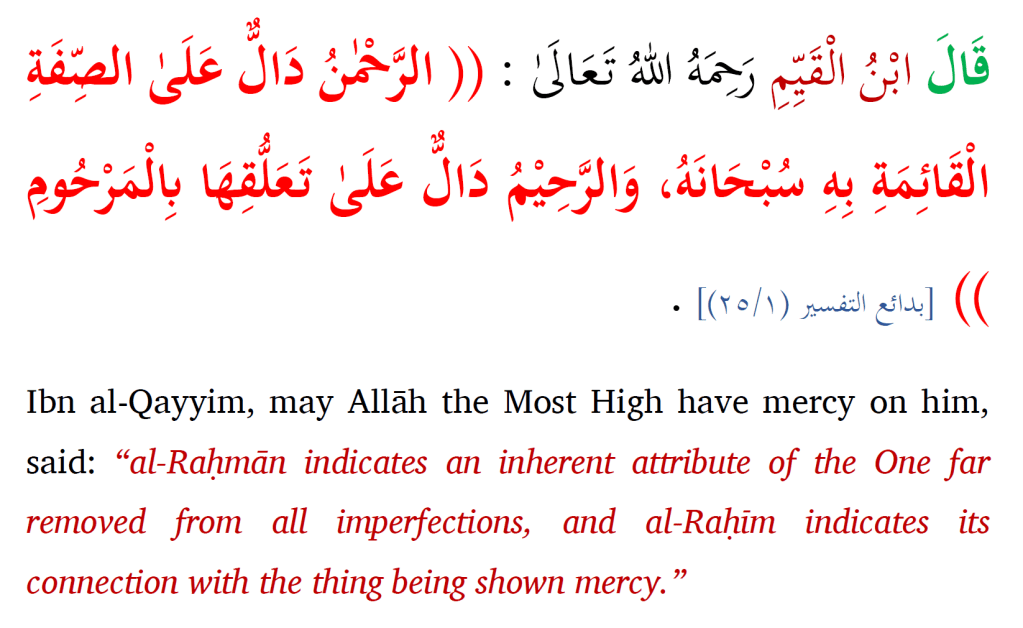
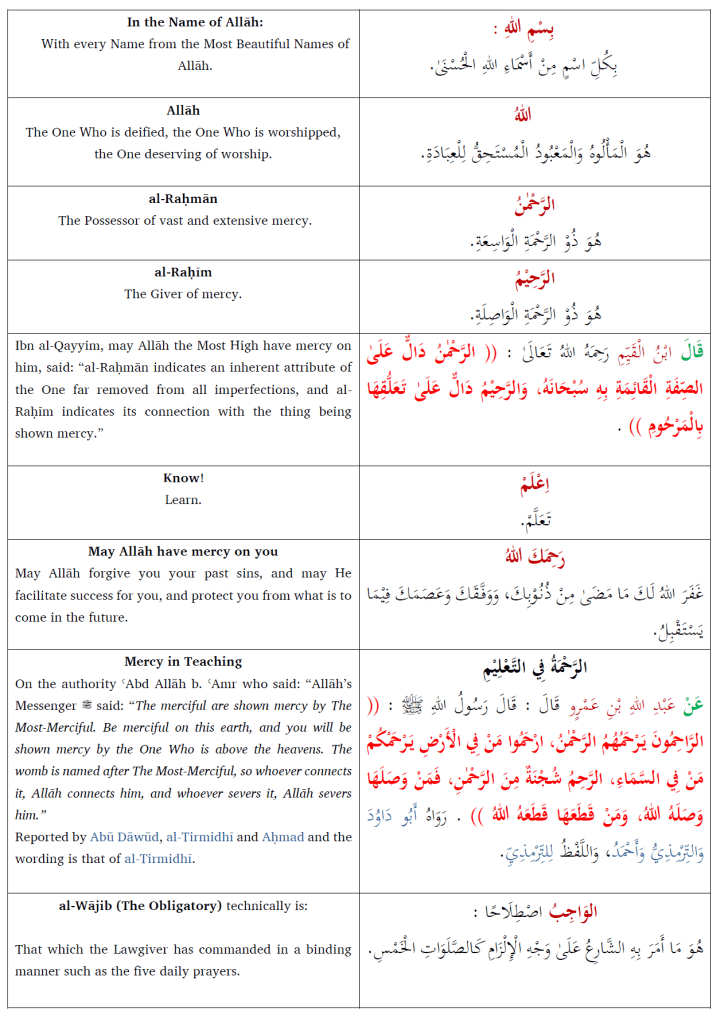
The difference between the two Names is explained succinctly by Ibn al-Qayyim (d. 751):

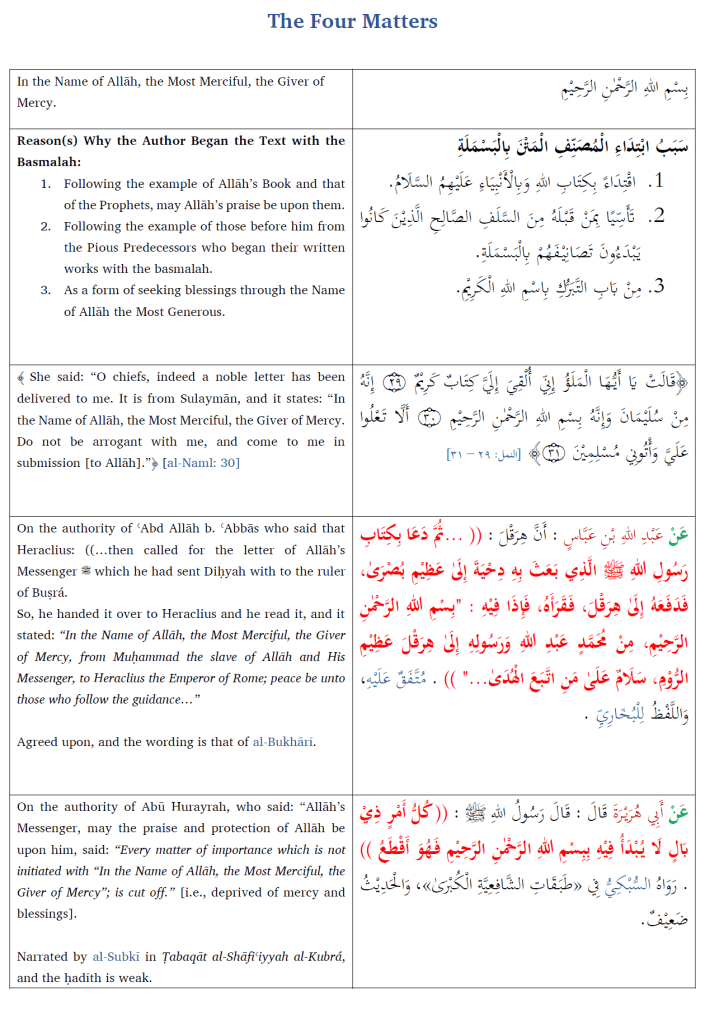
The reason why the author began the matn with the Basmalah is because he is imitating the example set by Allāh in His Book, in which each Sūrah (chapter) begins with it, except for Sūrah al-Tawbah. The Prophets of the past also began their letters with the Basmalah. The proof from the Qurʾān is the letter of Sulaymān, may Allāh’s praise and protection be upon him, which he sent to a ruler and which began with the Basmalah:

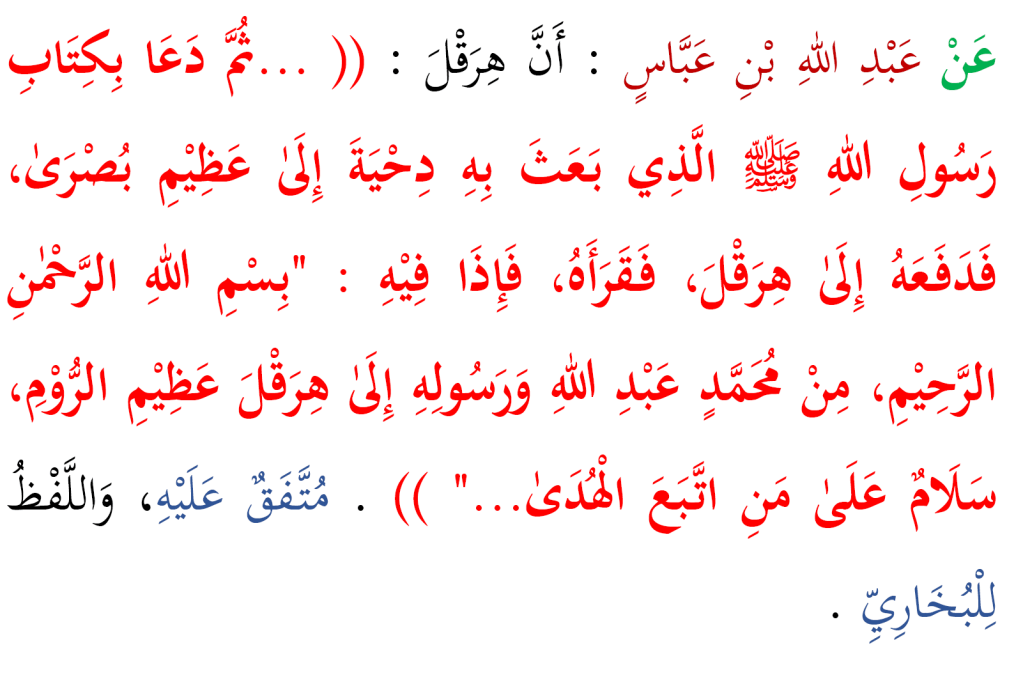
The author is also imitating the practice of the Prophet ﷺ in beginning his letters with the Basmalah:

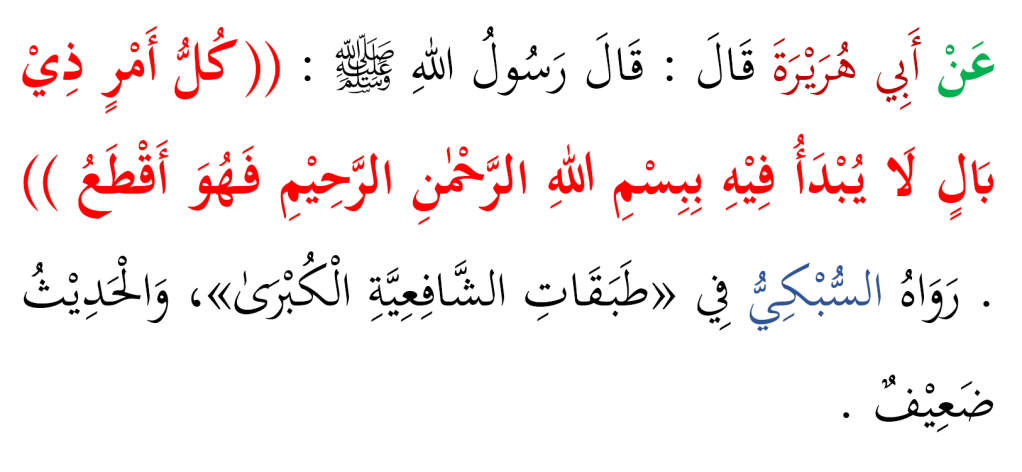
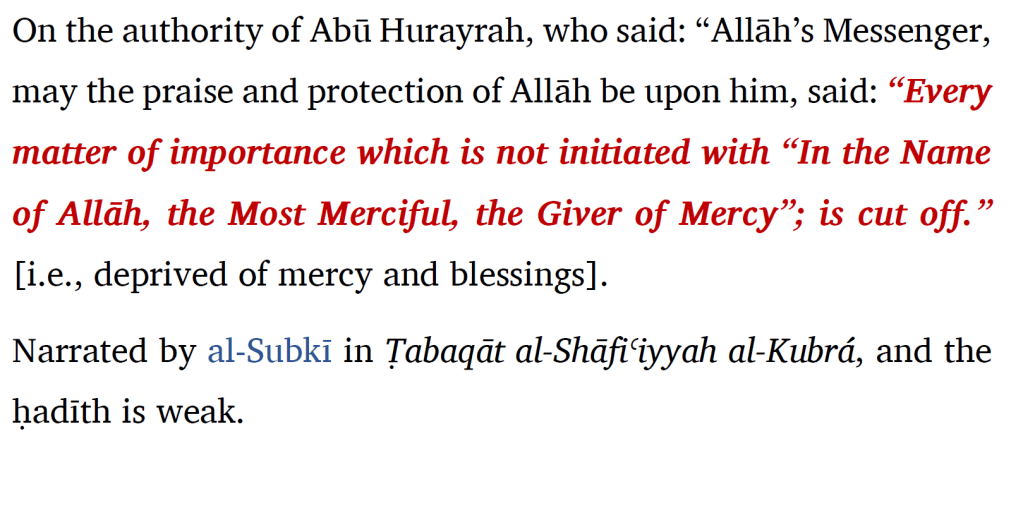
When mentioning the virtues of the Basmalah, some scholars cite the following ḥadīth which is weak and thus carries no probative force: