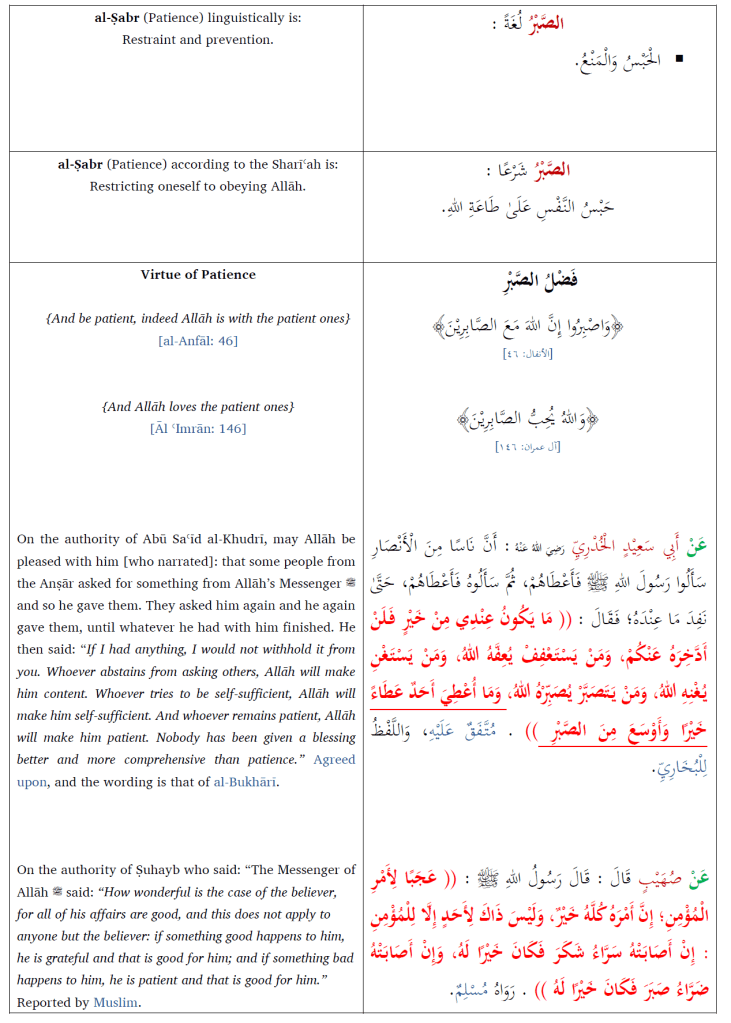
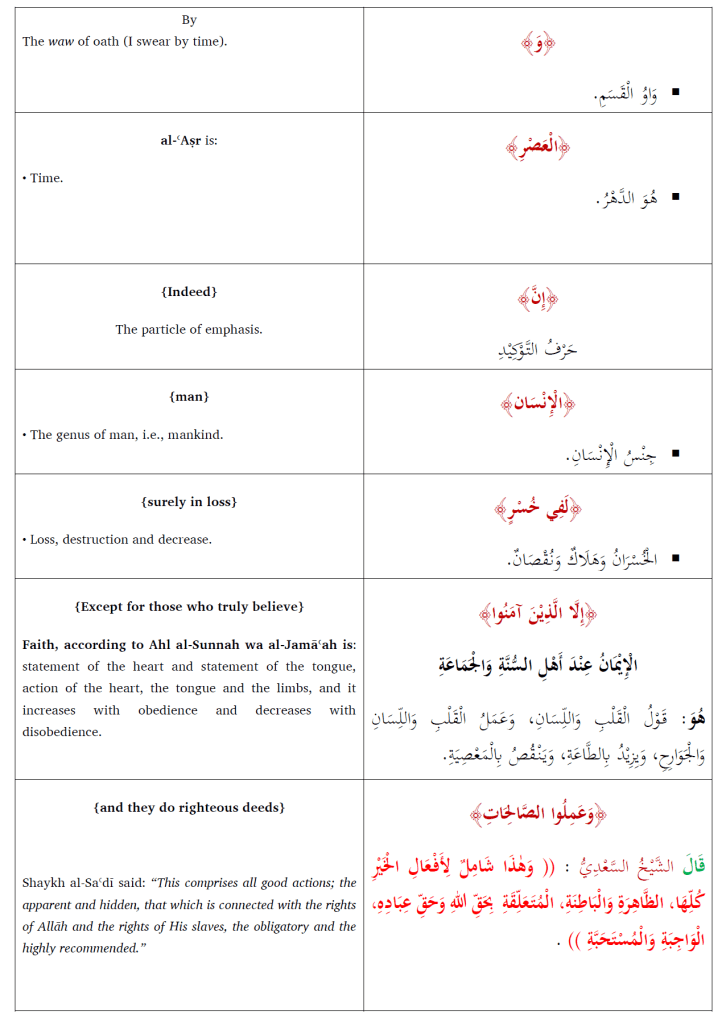
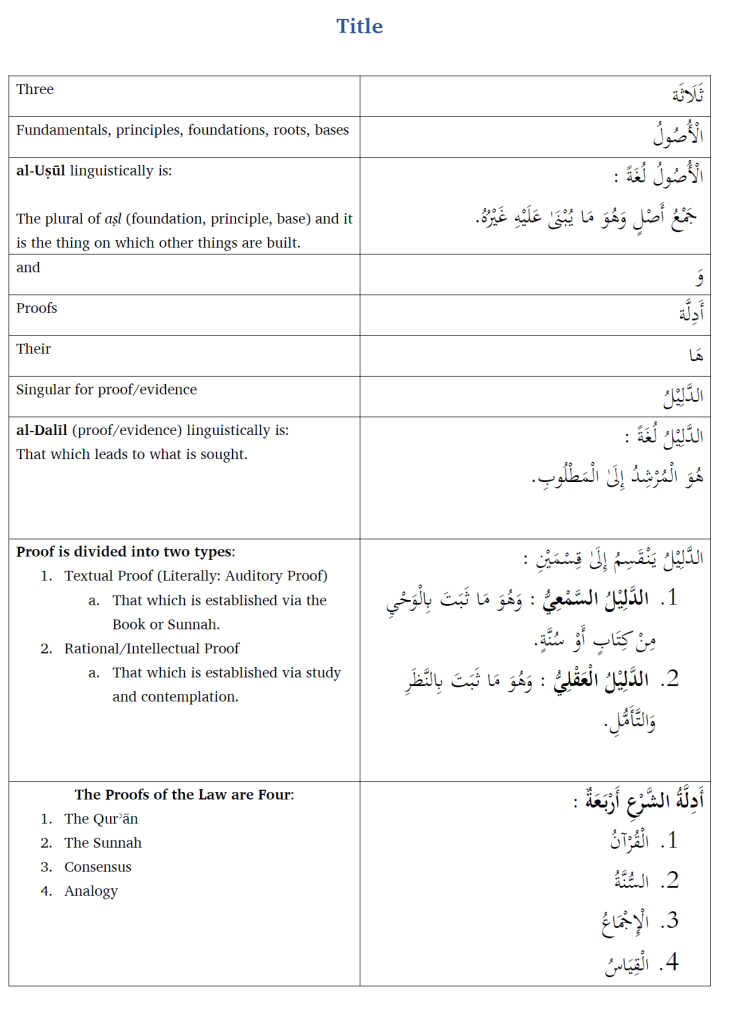
The Basmalah

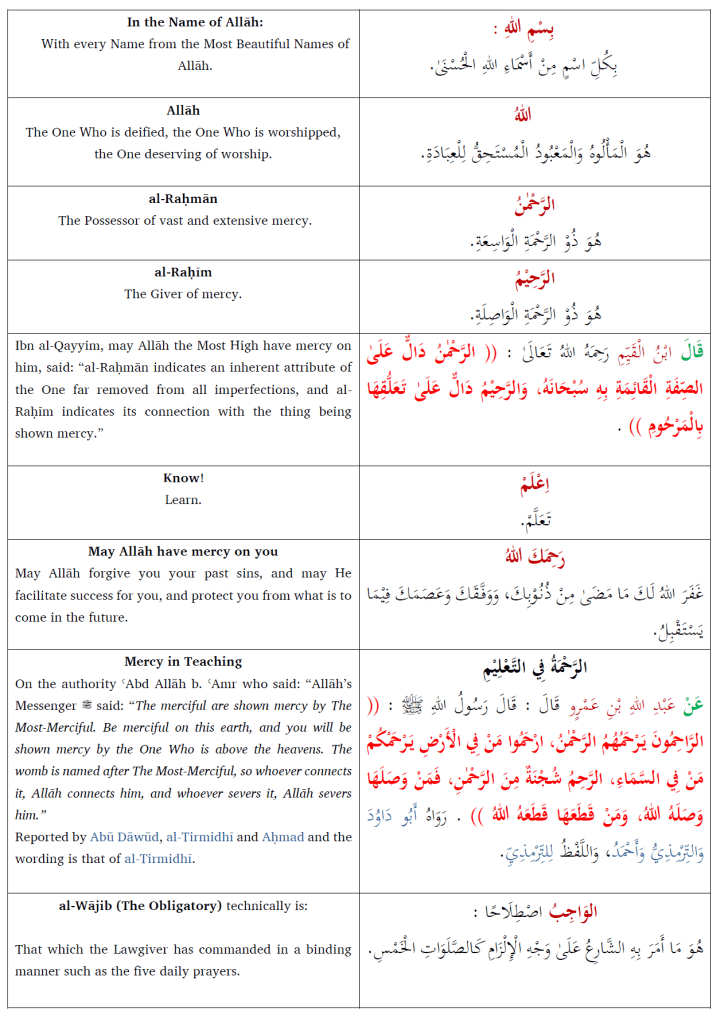
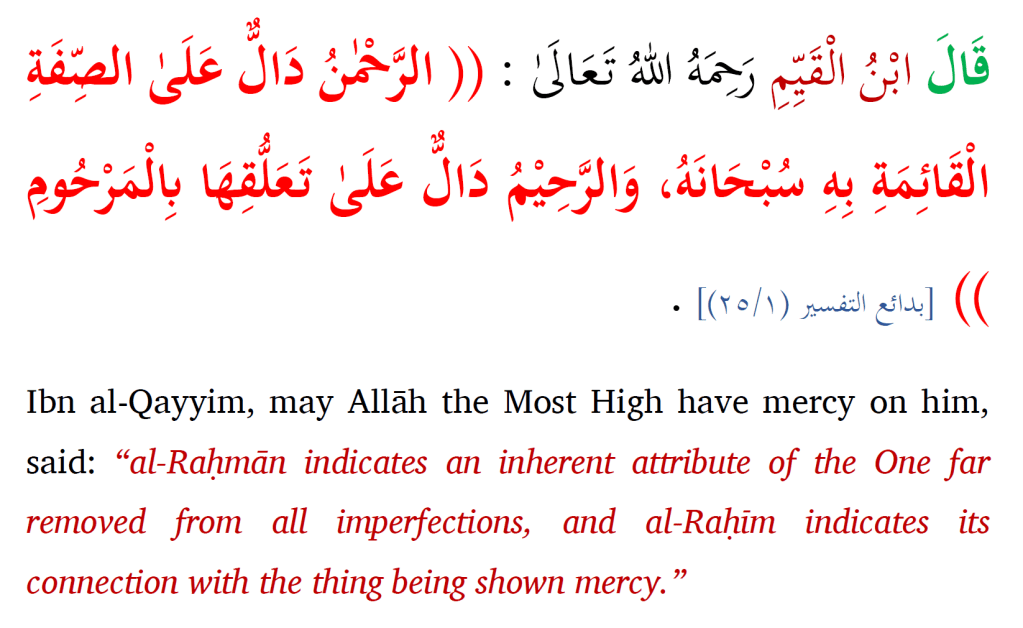
The difference between the two Names is explained succinctly by Ibn al-Qayyim (d. 751):
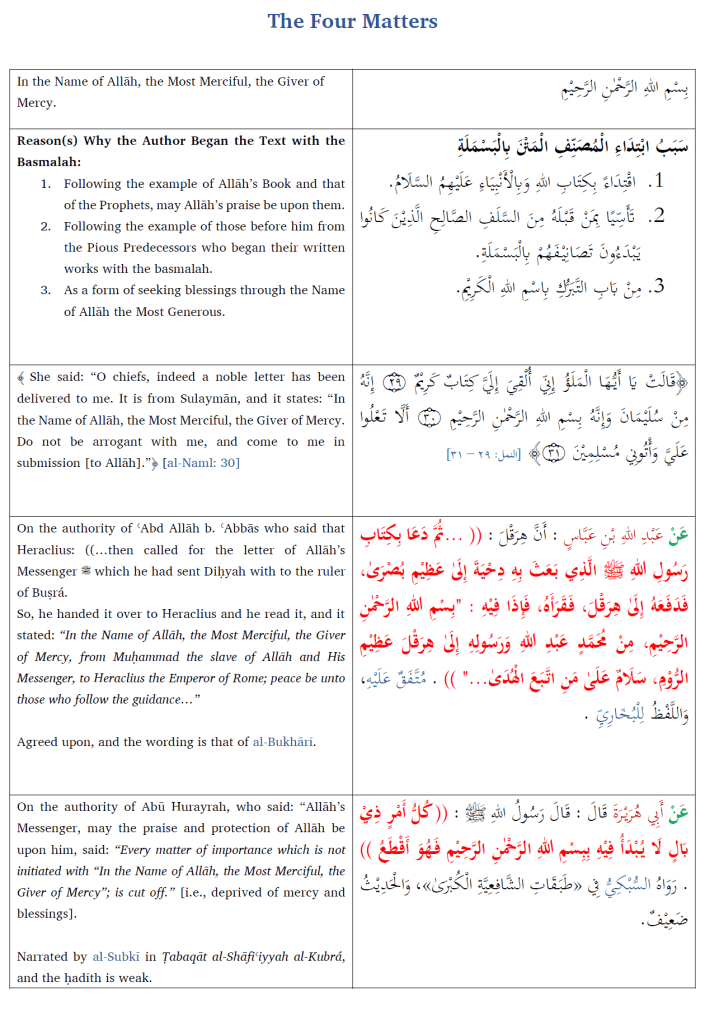
The reason why the author began the matn with the Basmalah is because he is imitating the example set by Allāh in His Book, in which each Sūrah (chapter) begins with it, except for Sūrah al-Tawbah. The Prophets of the past also began their letters with the Basmalah. The proof from the Qurʾān is the letter of Sulaymān, may Allāh’s praise and protection be upon him, which he sent to a ruler and which began with the Basmalah:

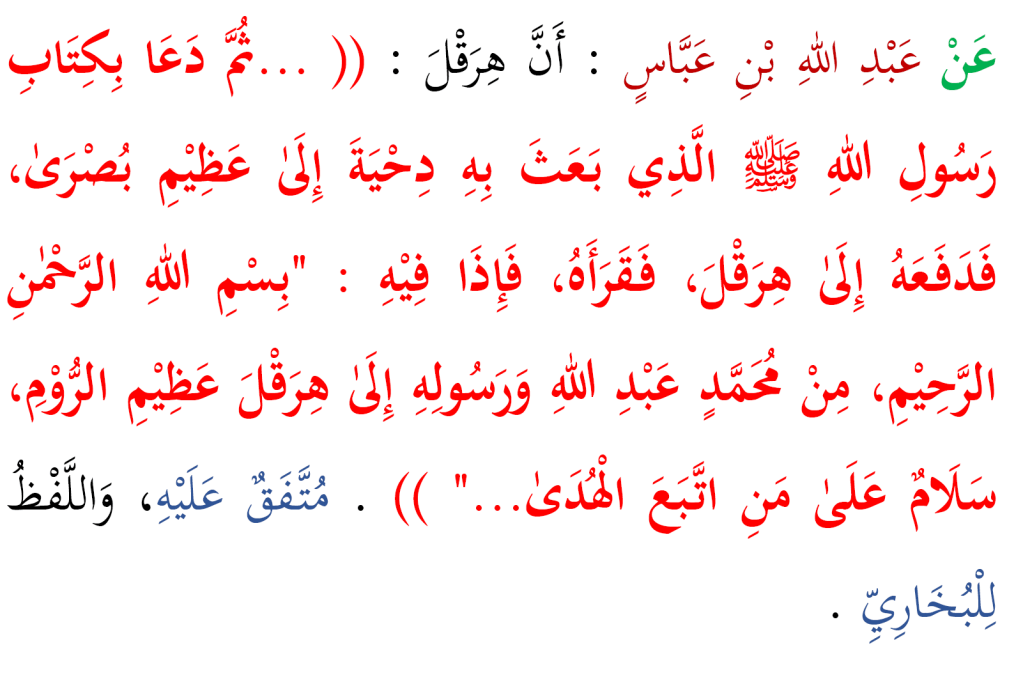
The author is also imitating the practice of the Prophet ﷺ in beginning his letters with the Basmalah:
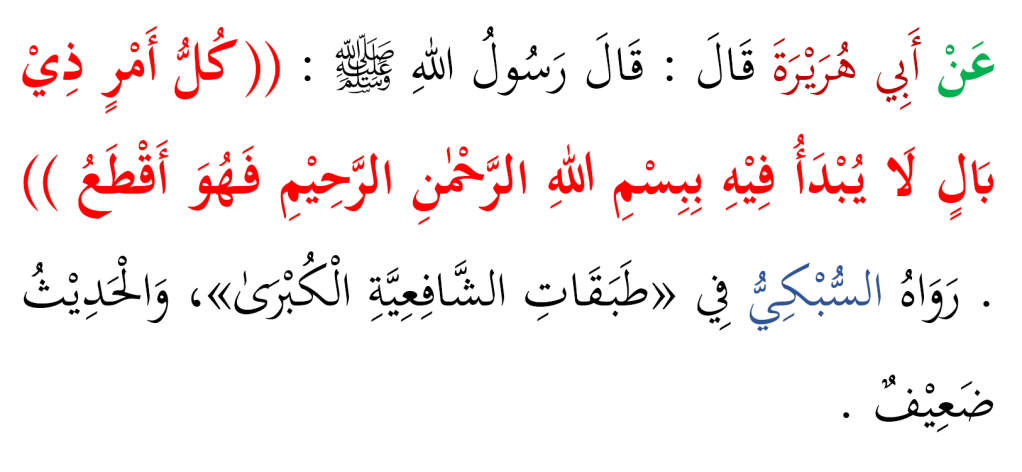
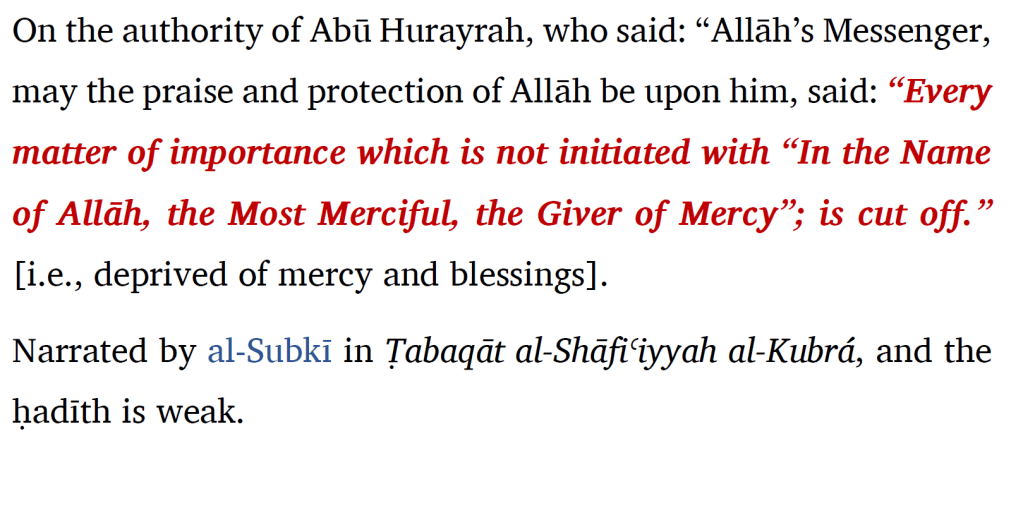
When mentioning the virtues of the Basmalah, some scholars cite the following ḥadīth which is weak and thus carries no probative force:
What Matn to Memorise – Fiqh or Hadith?

Sh. Ibn ʿUthaymīn (d. 1421), may Allāh have mercy upon him, was asked whether it was better to memorise a study-text (matn) of jurisprudence (fiqh) or a concise study-text of ḥadīth. The Shaykh responded:

“It is better to memorise a concise study-text of ḥadīth such as ʿUmdat al-Aḥkām and Bulūgh al-Marām, but he should not leave off consulting the speech of the people of knowledge and jurisprudence.”

Majmūʿ Fatāwá wa Rasāʾil al-Shaykh Muḥammad b. Ṣāliḥ al-ʿUthaymīn, vol. 26, p. 185.

Note: Both of the books mentioned by the Shaykh are books dedicated to including aḥādīth of the Prophet ﷺ pertaining to juridical matters such as purification, prayer, zakāh, fasting, ḥajj, buying and selling, marriage, jihād, capital punishments etc.

ʿUmdat-ul-Aḥkām by al-Ḥāfiẓ ʿAbd al-Ghanī al-Maqdisī (d. 600) contains aḥādīth reported by both al-Bukhārī and Muslim only (“agreed upon”). According to the al-Arnāʾūṭ edition there are 430 such aḥādīth. The best commentary is that of Ibn Daqīq al-ʿĪd (d. 702) entitled Iḥkām al-Aḥkām which a beginner may find difficult to grasp. Bulūgh al-Marām of Ibn Ḥajar (d. 852) is at least three times as large and contains 1582 aḥādīth according to al-Zuhayrī’s edition. The Shaykh has his own explanation of Bulūgh al-Marām in 15 volumes entitled Fatḥ Dhī al-Jalāl wa al-Ikrām bi Sharḥ Bulūgh al-Marām.

3019 – True Faith Requires Faith in the Divine Decree

“A slave will not reach true faith until he knows that what happened to him was not going to pass him by, and what passed him by was not going to happen him.”

Reported by al-Bazzār (1/21/1/33 in Kashf al-Astār): ʿAmr narrated to us: Sulaymān b. ʿAbd al-Raḥmān narrated to us: Sulaymān b. ʿUtbah narrated to us and said: I heard Yūnus b. Maysarah b. Ḥalbas narrate from Abū Idrīs: from Abū al-Dardāʾ – he then mentioned a ḥadīth with this chain, then said, with his chain, from the Messenger of Allāh ﷺ who said…he then mentioned it.

[more to follow…]

Lessons

  • Belief in the Divine Decree (Qadar) is essential and one cannot be a true believer without it.
  • One has to believe that Qadar involves, among other things, the good and the bad.
  • True faith is achieved by believing in the Divine Decree of Allāh.
  • The futility of complaining over the trials and afflictions one faces in the natural course of life – what’s the point of complaining over the inevitable?
  • The futility of grieving and complaining over what one missed out on when it was never going to reach him in the first place – why grieve over what was not meant for you?
  • One should learn to be content with the Divine Decree of Allāh – this ḥadīth will help one to attain that.

3011 – ʿĀʾishah is the Prophet’s Wife in Paradise

“Would you not be satisfied in being my wife in this worldly life and in the Hereafter?” I said, “Of course, by Allāh!” He said, “Then you are my wife in this worldly life and in the Hereafter.”

Reported by Ibn Ḥibbān (7053 as in al-Iḥsān), and al-Ḥākim (4/10) by way of Saʿīd b. Yaḥyá al-Umawī: my father narrated to me: Abū al-ʿAnbas Saʿīd b. Kathīr narrated to me: from his father who said: ʿĀʾishah narrated to us that the Messenger of Allāh, may the praise and protection of Allah be upon him, mentioned Fāṭimah, she said, ‘So I spoke, and he said… and then mentioned the ḥadīth.

[analysis to follow…]

Lessons

  • Our noble mother ʿĀʾishah is amongst the Companions of the Prophet ﷺ who were specifically given the glad tidings of Paradise by the Prophet ﷺ himself.
  • The lofty status and superiority of ʿĀʾishah over other women.
  • One of the many merits of ʿĀʾishah.
  • ʿĀʾishah will undoubtedly enter Paradise which indicates she is someone with whom Allāh is pleased.
  • One who denies the fact ʿĀʾishah will enter Paradise is a disbeliever.
  • ʿĀʾishah’s deep love for the Messenger of Allāh ﷺ in that she did not hesitate for a second in being pleased with choosing to be his wife in this life and the next.
  • Just as ʿĀʾishah was intimately close to the Prophet ﷺ in this life, so shall she be in the Hereafter.

3002 – The Songs of the Heavenly Wives

3002 – “Indeed, the heavenly wives (ḥūr) in Paradise will sing and say: ‘We are beautiful and good heavenly wives, we have been gifted to noble husbands’”.

Reported by al-Bukhārī in al-Tārīkh al-Kabīr (4/1/16), Ibn Abī Dāwūd in al-Baʿth wa al-Nushūr (75), and al-Ṭabarānī in al-Awsaṭ (6642) via Ibn Abī Fudayk: from Ibn Abī al-Dhiʾb: from ʿAwn b. al-Khaṭṭāb b. ʿAbd Allāh b. Rāfiʿ: from a son of Anas b. Mālik: that Anas b. Mālik…in marfūʿ form [raised to the Prophet ﷺ].

[more to follow…]